
Excavations of the Gnishikadzor Archaeological Complex
04.09.2019
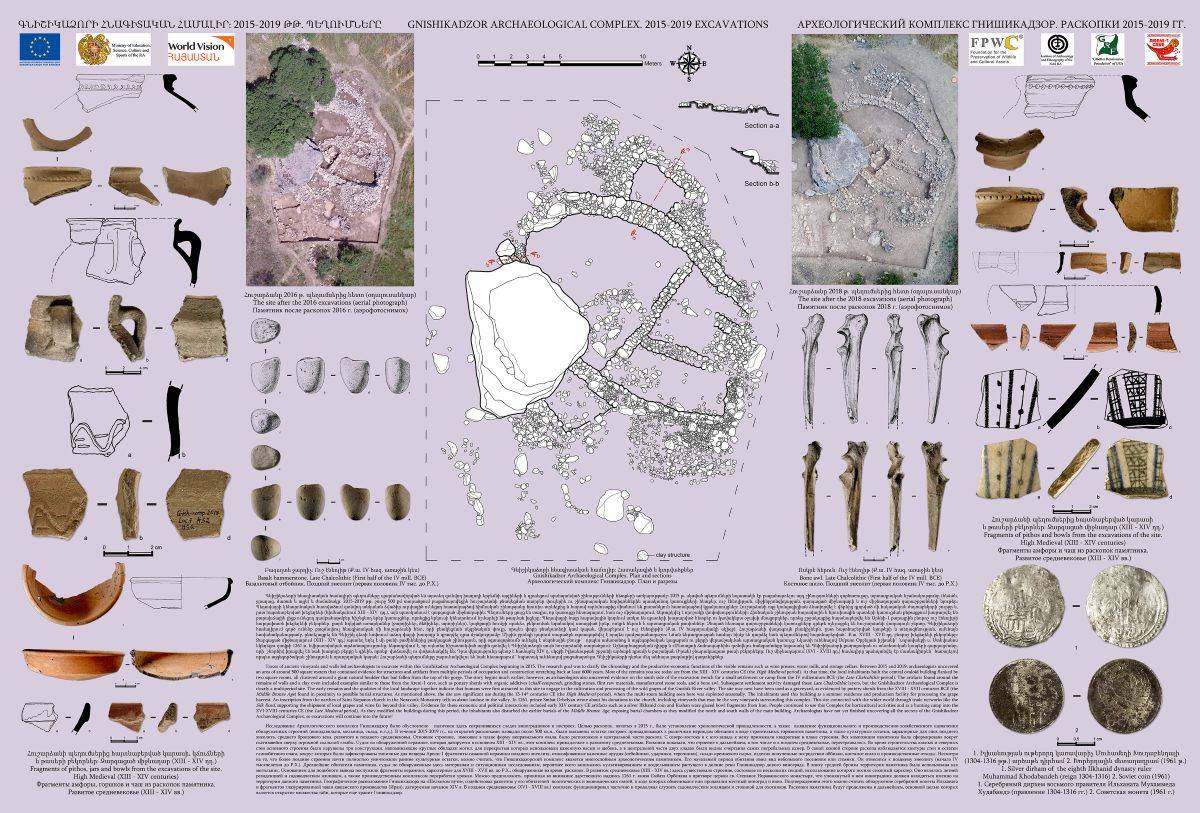
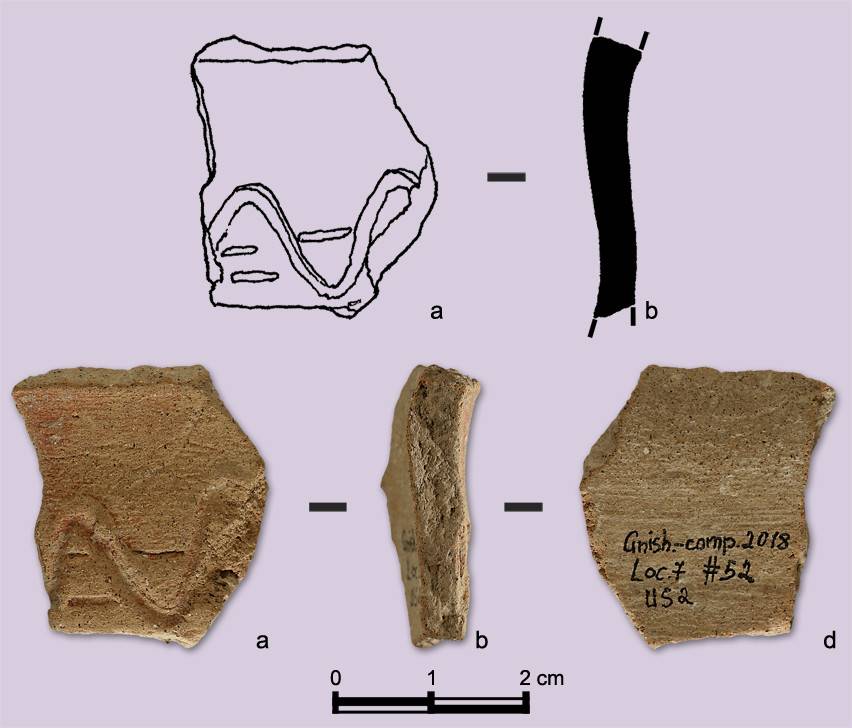
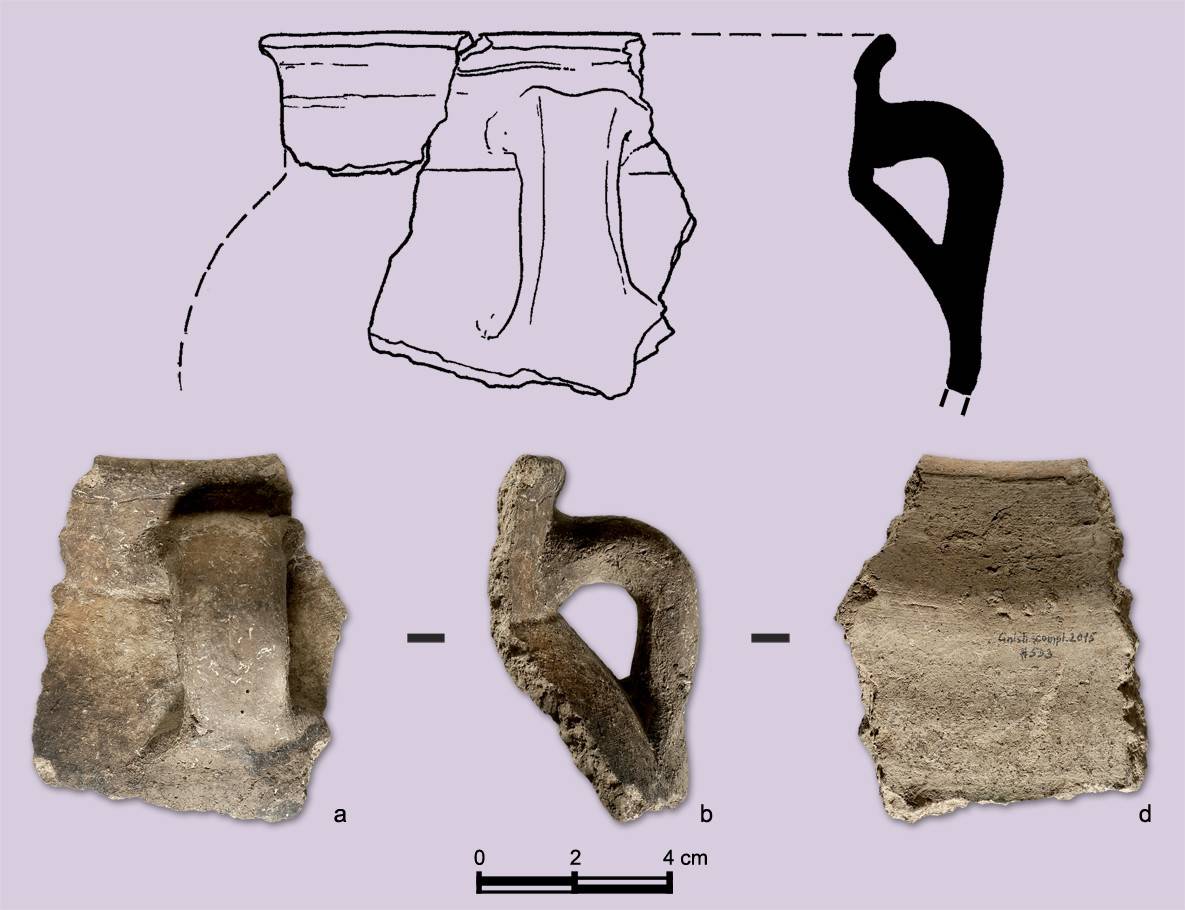
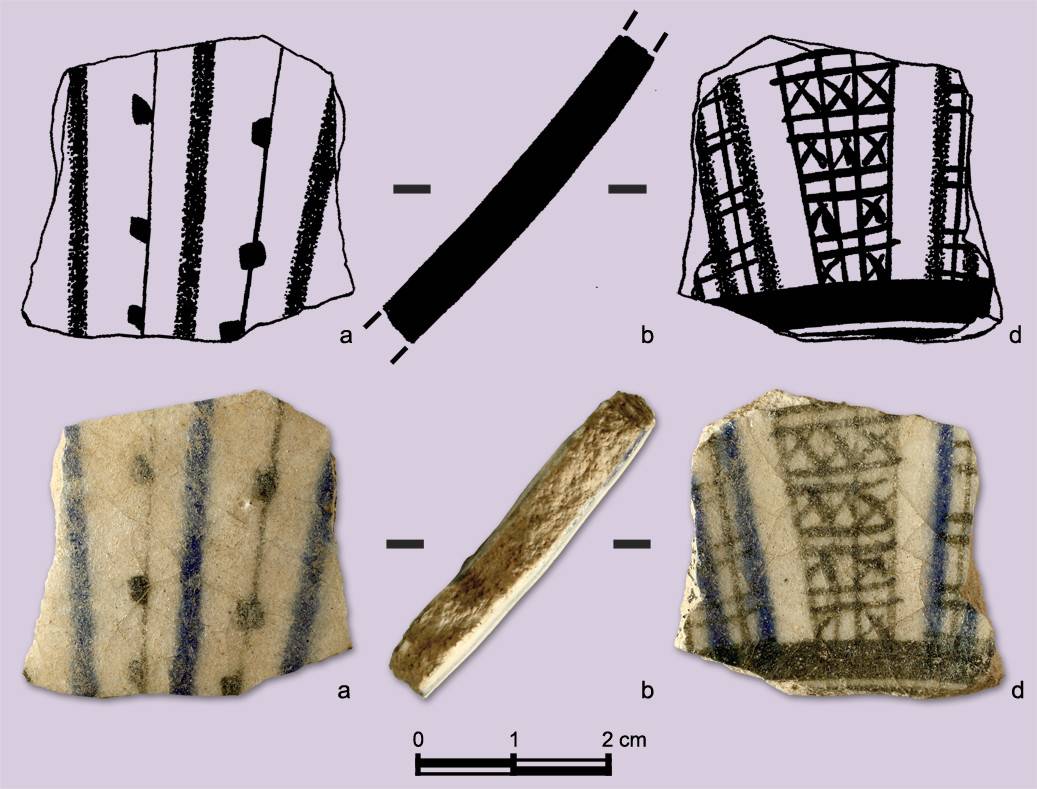
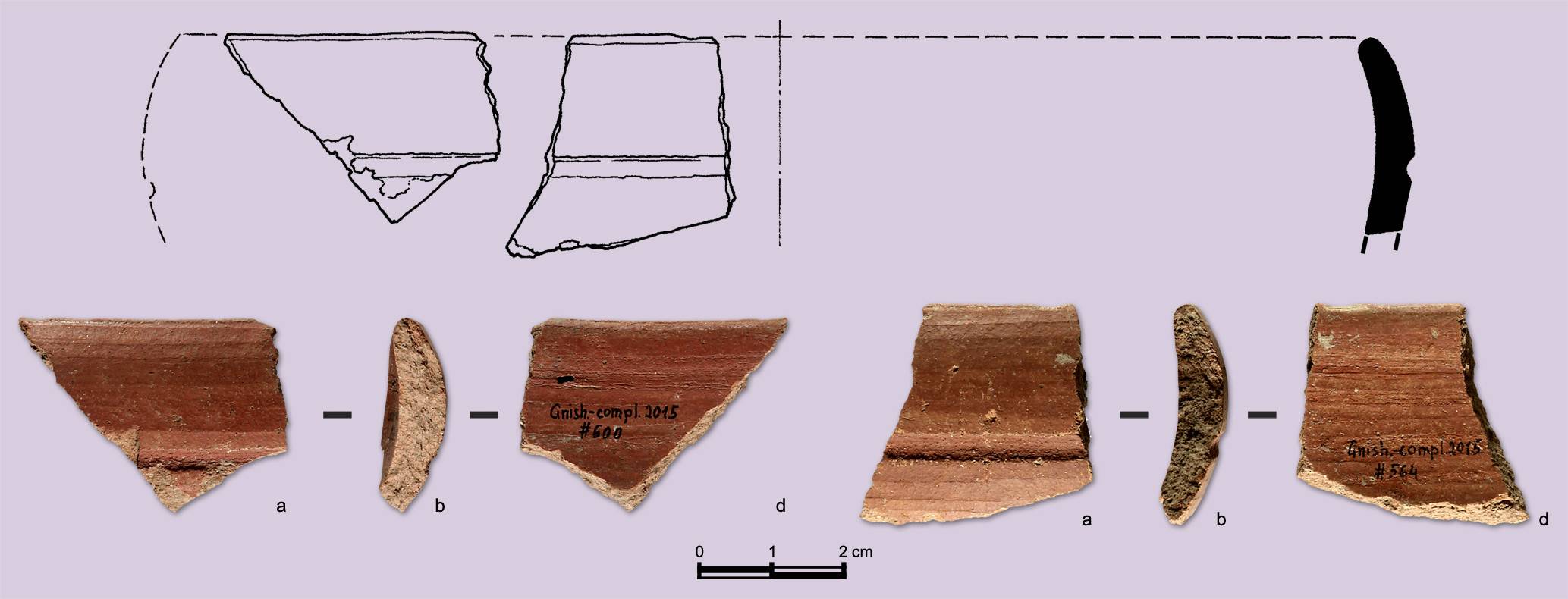
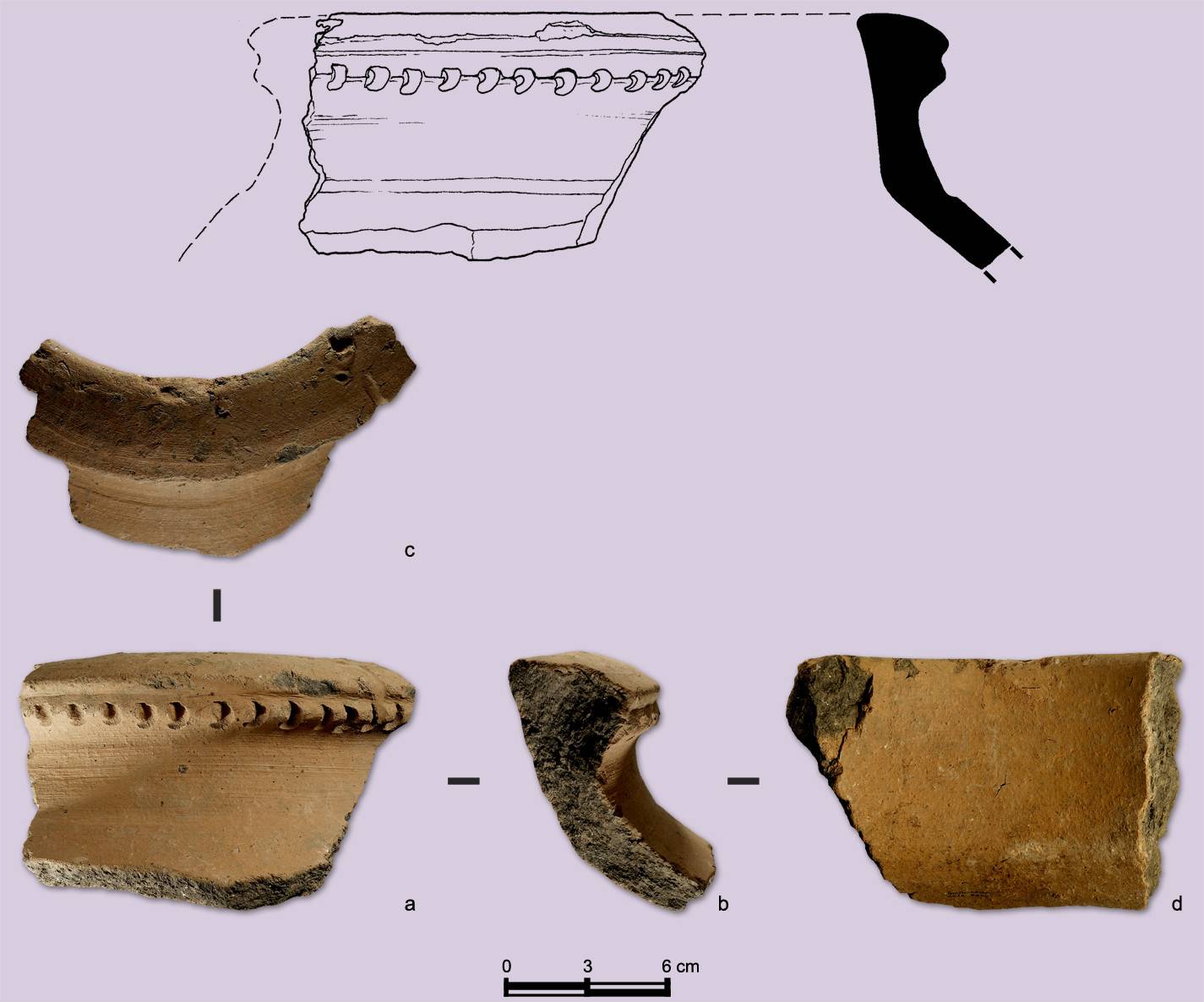
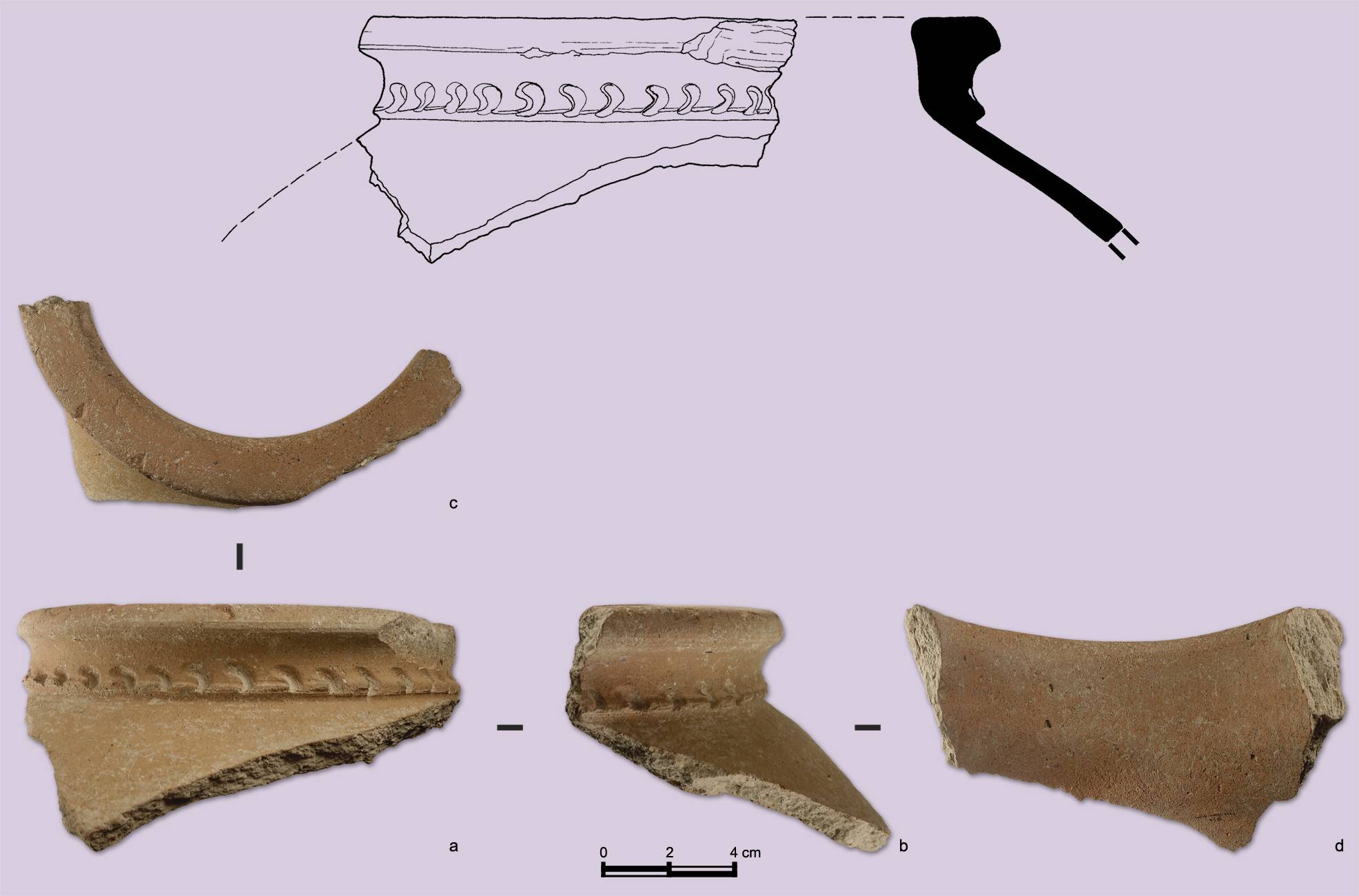
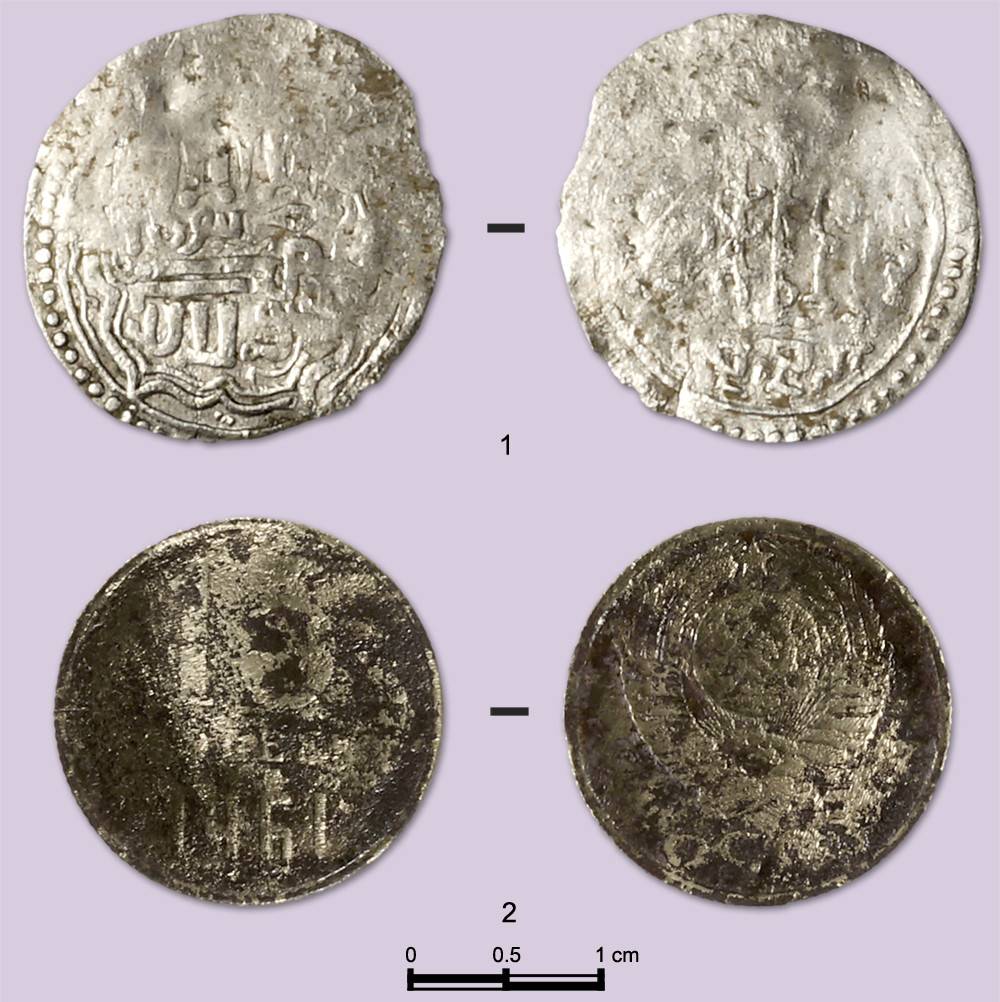
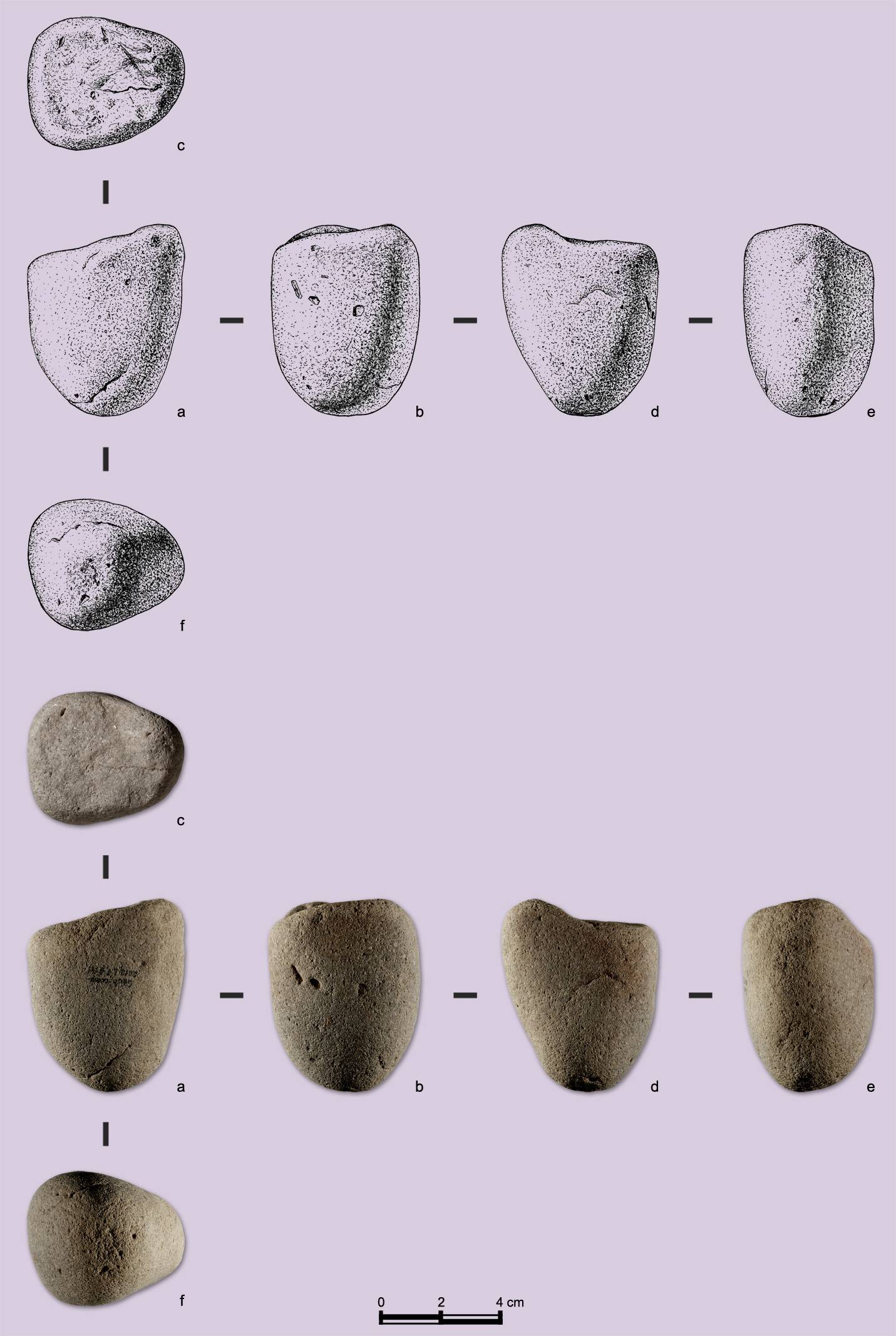
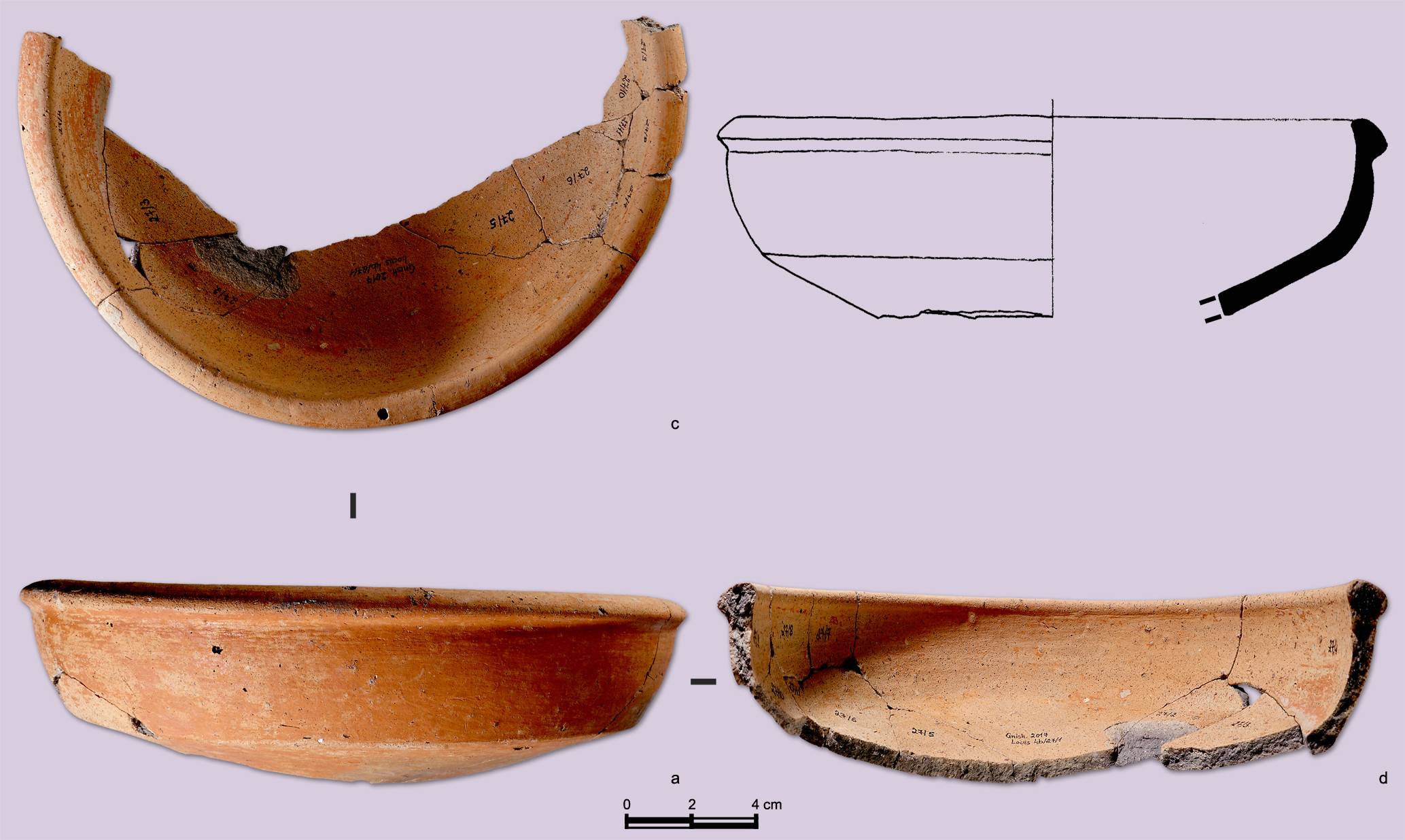
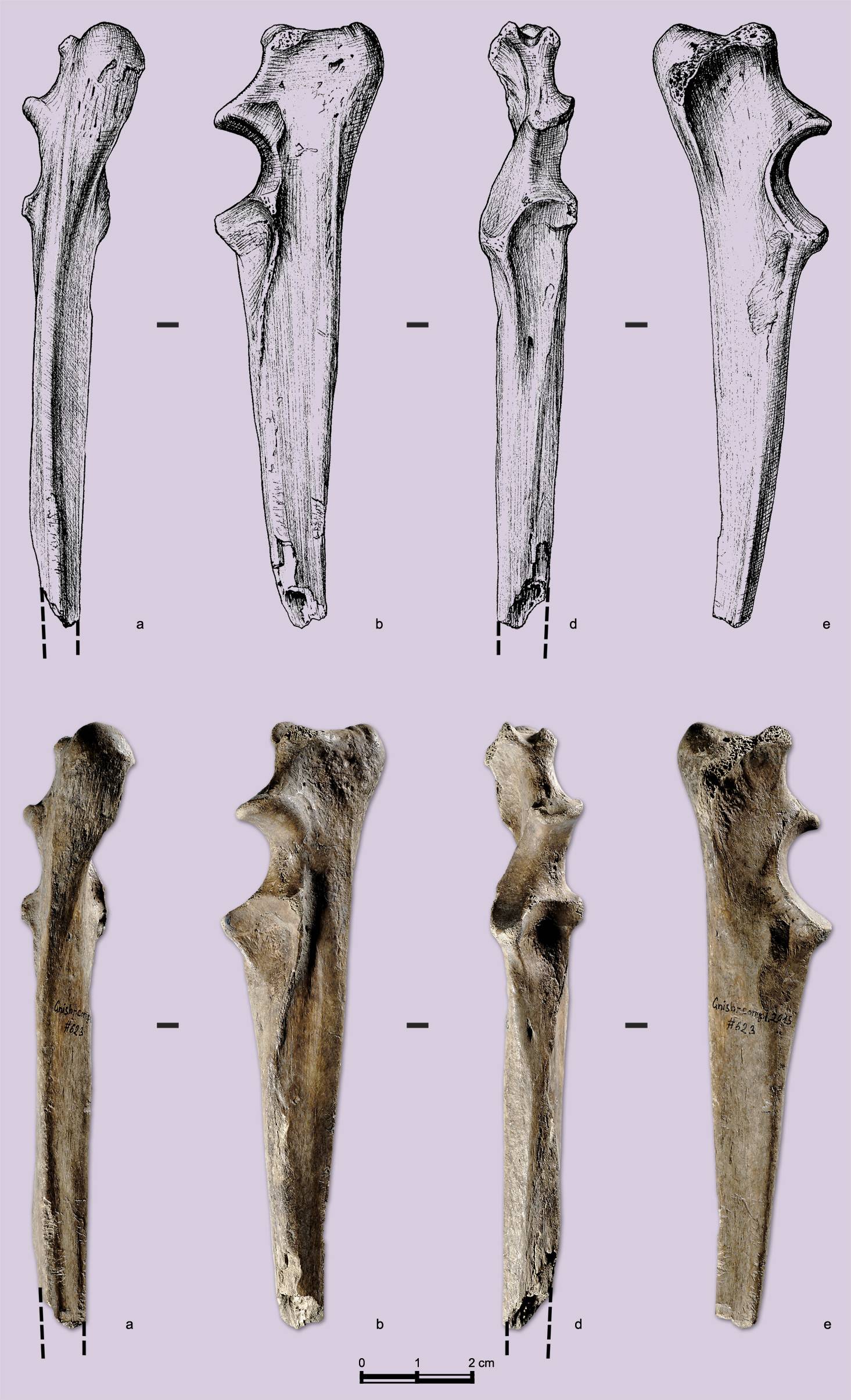
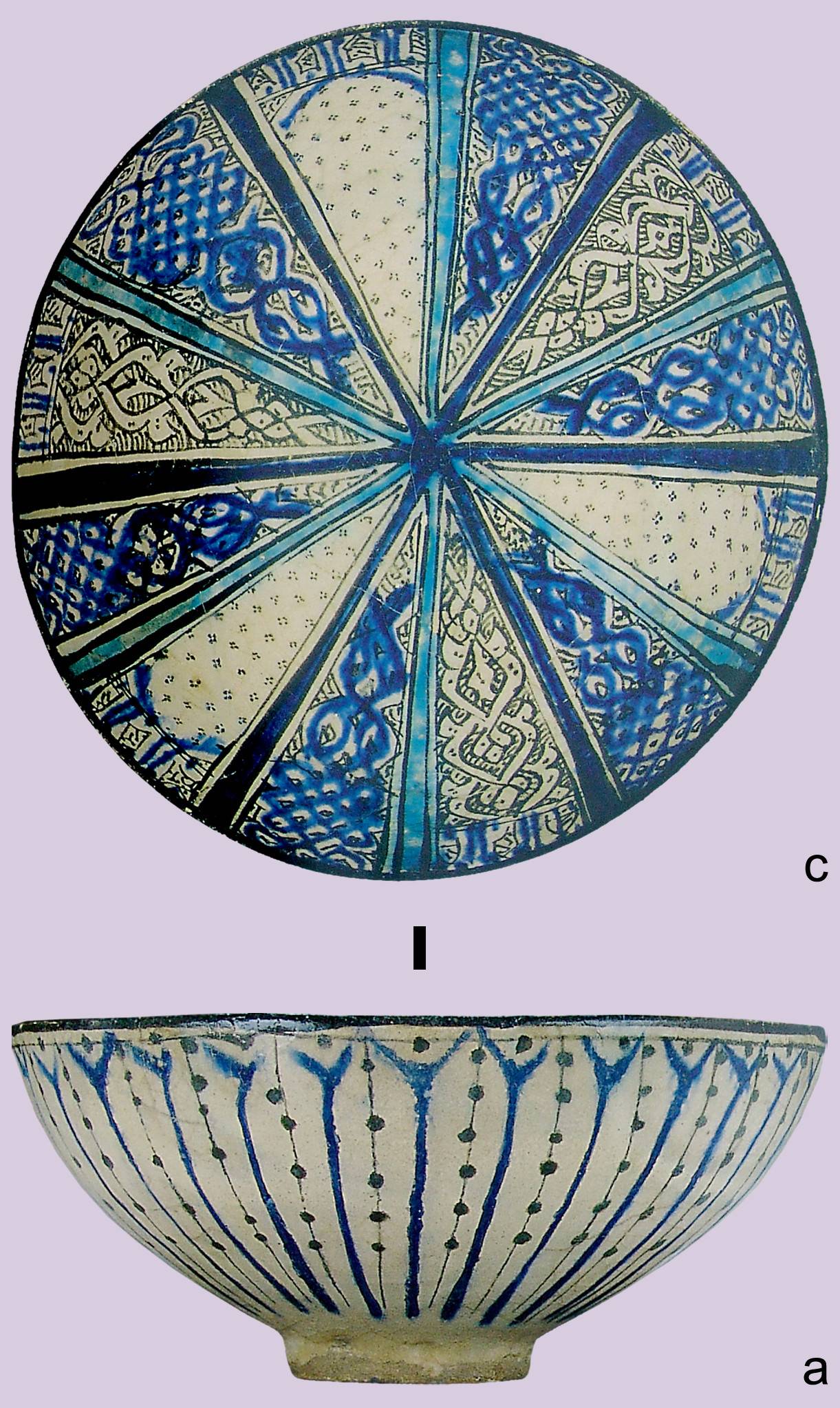
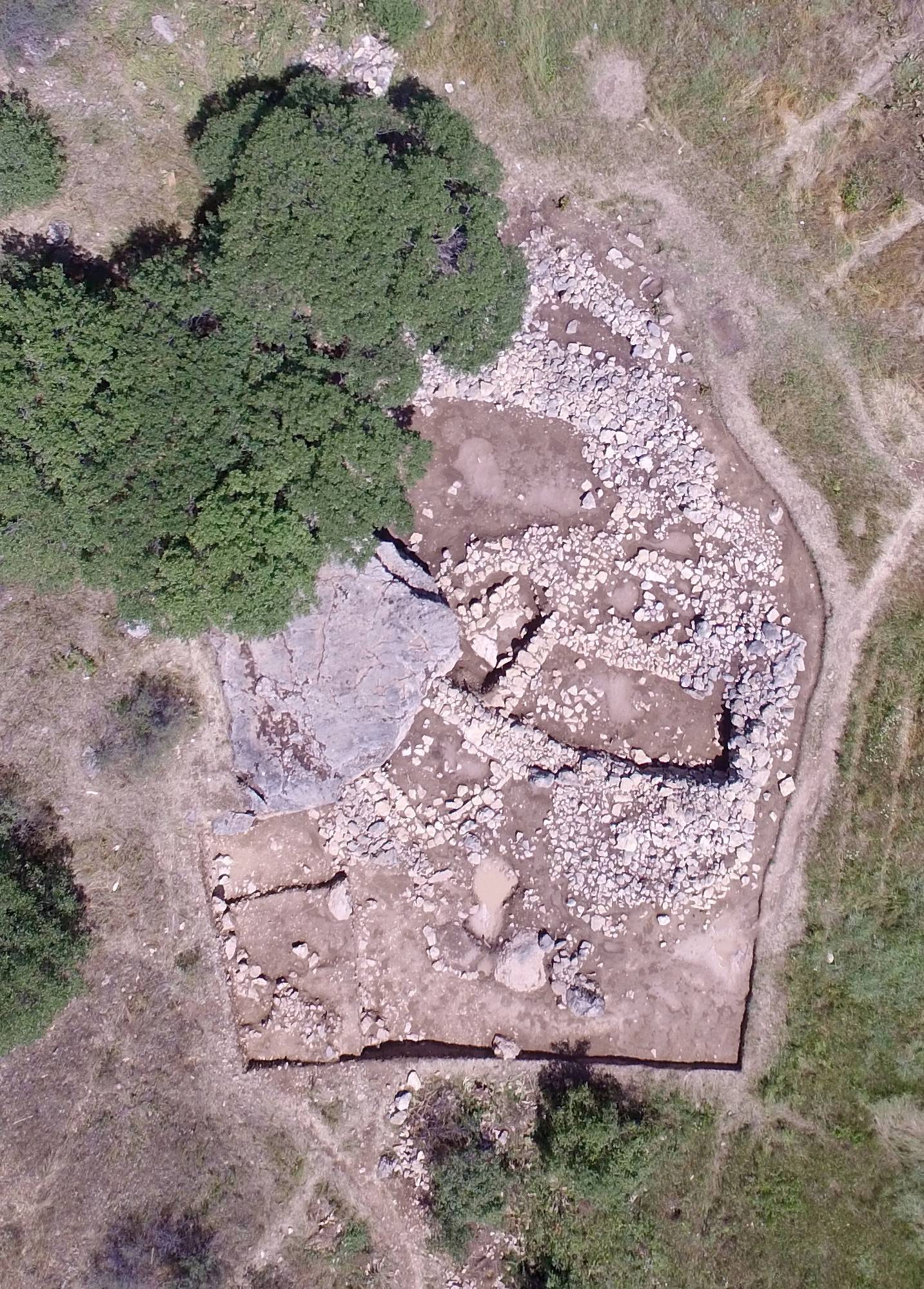
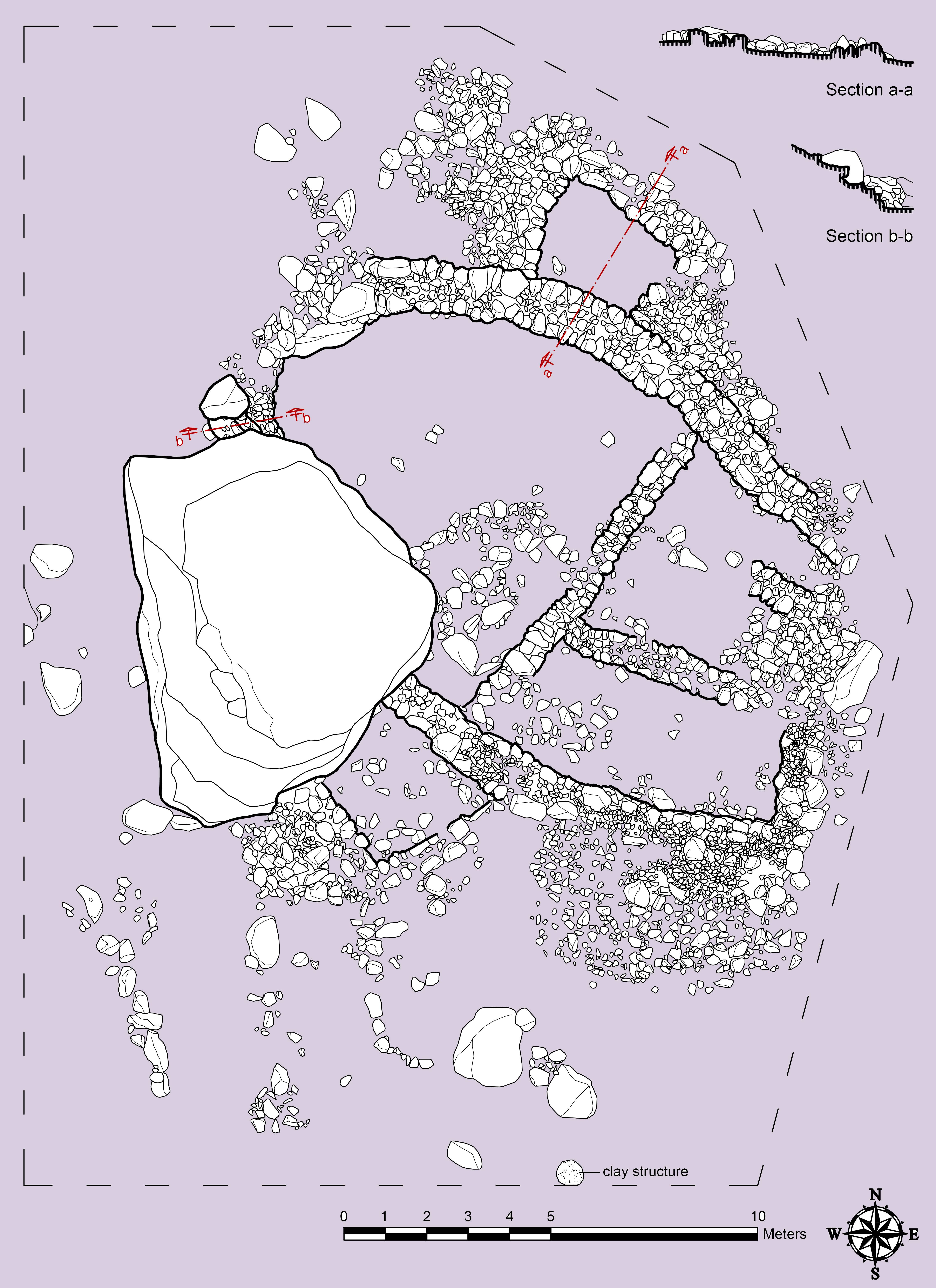
Traces of ancient vineyards and walls led archaeologists to excavate within this Gnishikadzor Archaeological Complex beginning in 2015. The research goal was to clarify the chronology and the productive-economic functions of the visible remains such as wine presses, water mills, and storage cellars. Between 2015 and 2019, archaeologists uncovered an area of around 500 square meters that contained evidence for structures and artifacts from multiple periods of occupation and construction stretching back at least 6000 years. Most of the remains you see today are from the XIII - XIV centuries CE (the High Medieval period). At that time, the local inhabitants built the central ovaloid building flanked by two square rooms, all clustered around a giant natural boulder that had fallen from the top of the gorge. The story begins much earlier, however, as archaeologists also uncovered evidence on the south side of the excavation trench for a small settlement or camp from the IV millennium BCE (the Late Chalcolithic period). The artifacts found around the remains of walls and a clay oven included examples similar to those from the Areni-1 cave, such as pottery sherds with organic additives (chaff-tempered), grinding stones, flint raw materials, manufactured stone tools, and a bone awl. Subsequent settlement activity damaged these Late Chalcolithic layers, but the Gnishikadzor Archaeological Complex is clearly a multiperiod site. The early remains and the qualities of the local landscape together indicate that humans were first attracted to this site to engage in the cultivation and processing of the wild grapes of the Gnishik River valley. The site may next have been used as a graveyard, as evidenced by pottery sherds from the XVIII - XVII centuries BCE (the Middle Bronze Age) found in proximity to possible burial structures. As mentioned above, the site saw significant use during the 13-14th centuries CE (the High Medieval period), when the multi-room building seen here was exploited seasonally. The inhabitants used this building as a summer residence and production facility for processing the grape harvest. An inscription from the narthex of Saint Stepanos church in the Noravank Monastery tells us about landuse in the valley. In 1261, prince Smbat Orbelyan wrote about his donations to the church, including vineyards that may be the very vineyards surrounding this complex. This site connected with the wider world through trade networks like the Silk Road, supporting the shipment of local grapes and wine far beyond this valley. Evidence for these economic and political interactions included early XIV century CE artifacts such as a silver Ilkhanid coin and Kashan ware glazed bowl fragments from Iran. People continued to use this Complex for horticultural activities and as a hunting camp into the XVI-XVIII centuries CE (the Late Medieval period). As they modified the buildings during this period, the inhabitants also disturbed the earlier burials of the Middle Bronze Age, exposing burial chambers as they modified the north and south walls of the main building. Archaeologists have not yet finished uncovering all the secrets of the Gnishikadzor Archaeological Complex, so excavations will continue into the future!
(14 Images)