
GNISHIKADZOR IN HISTORY
05.09.2020
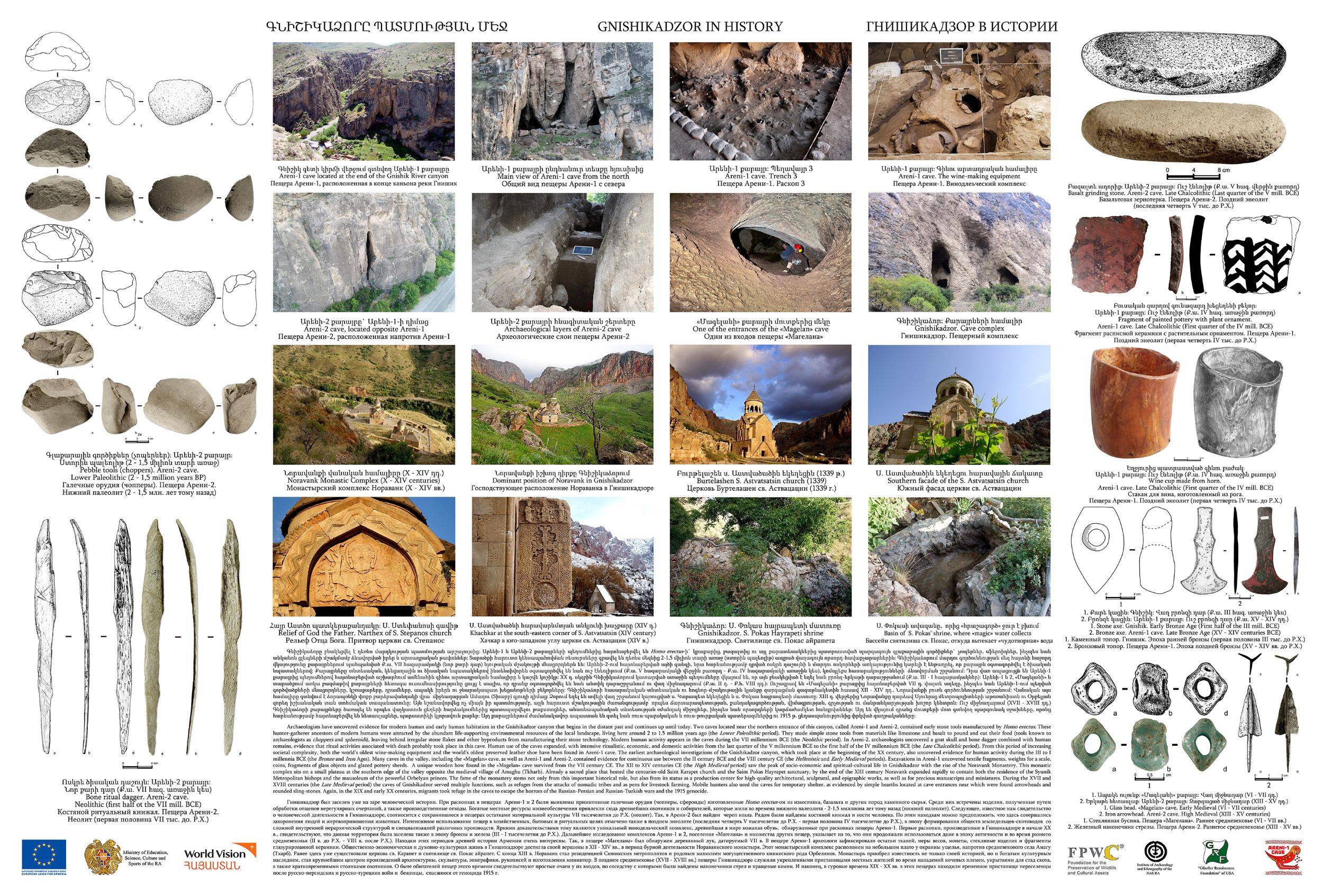
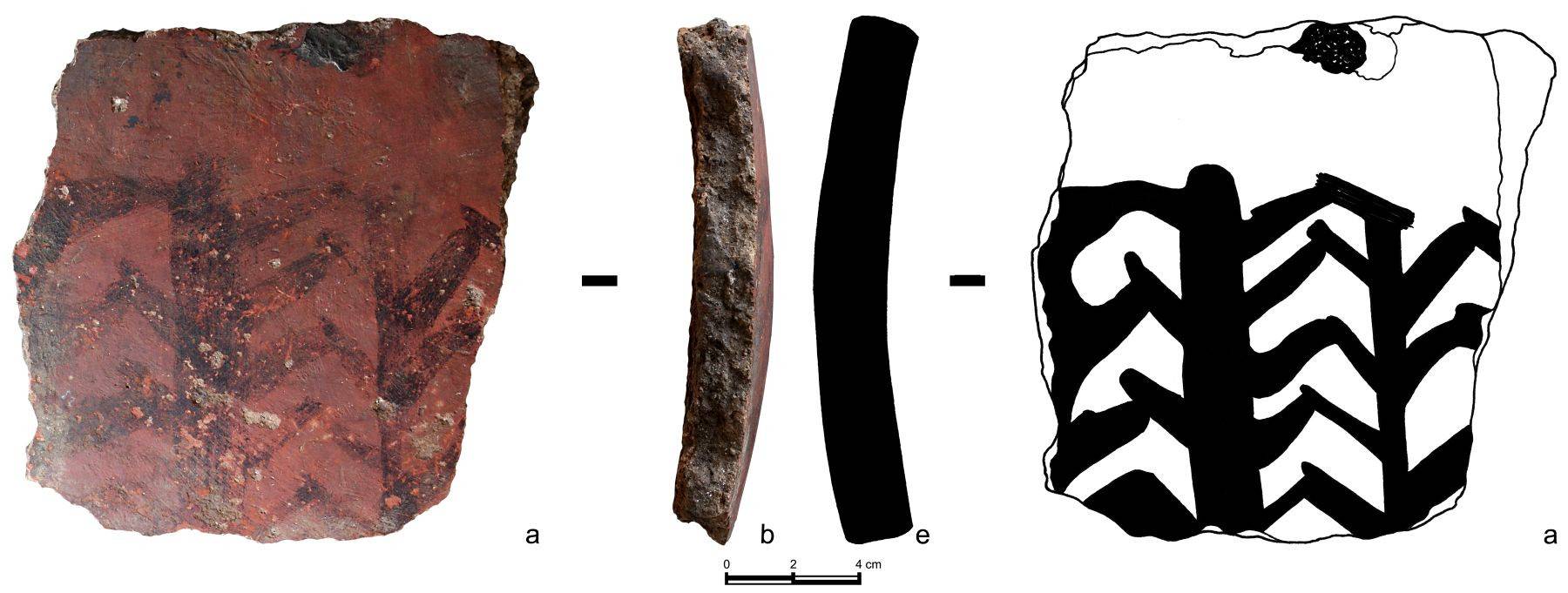
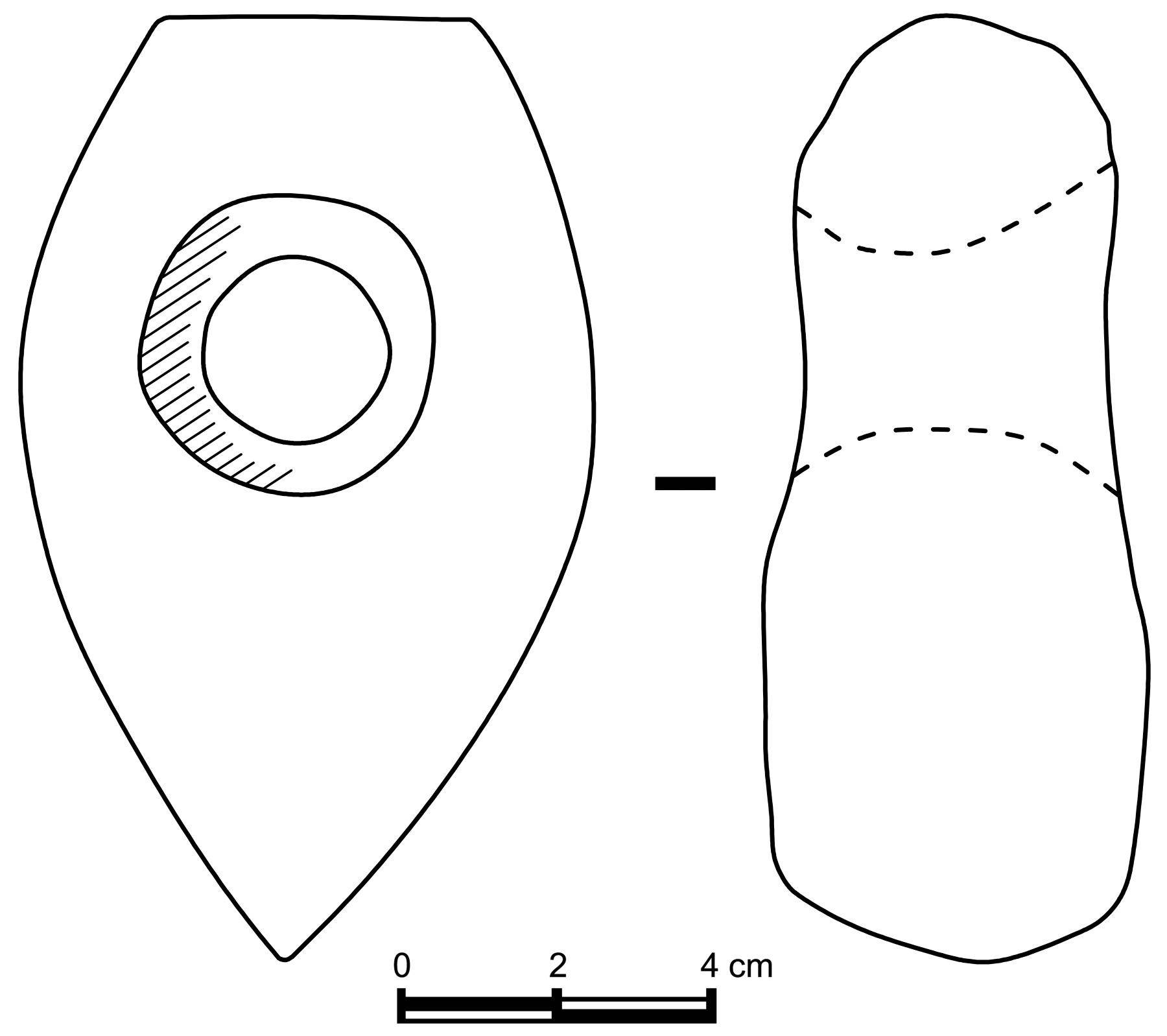
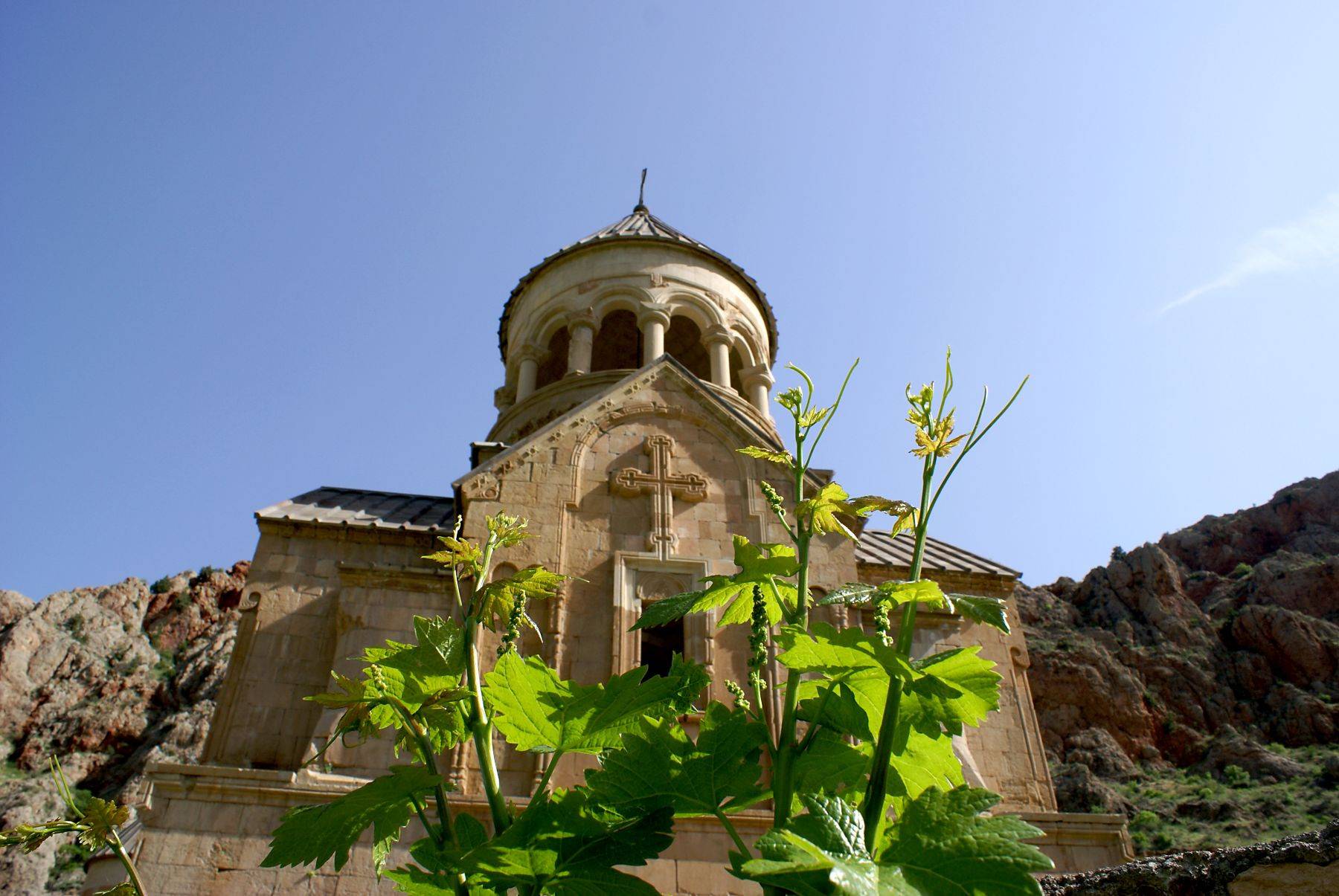
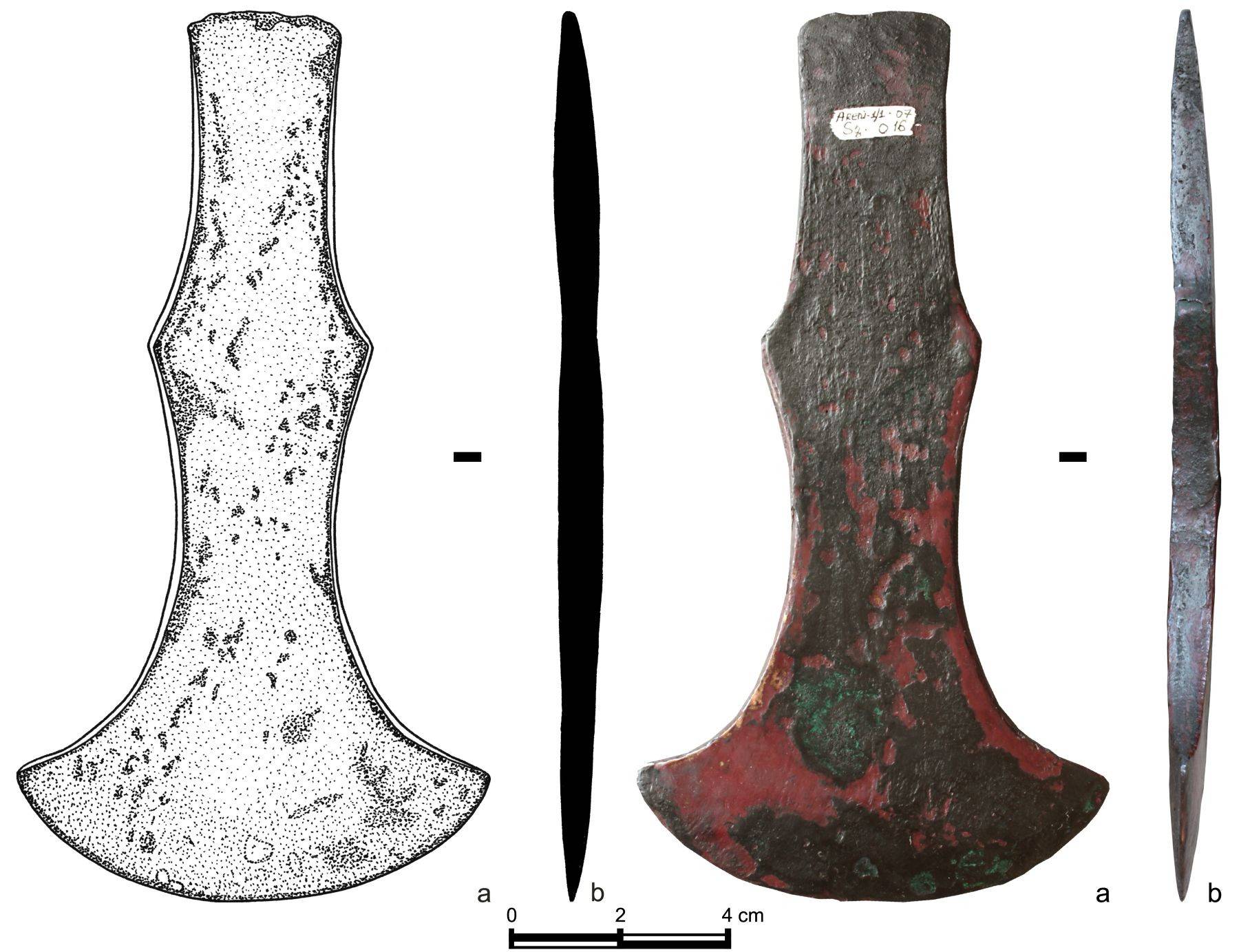
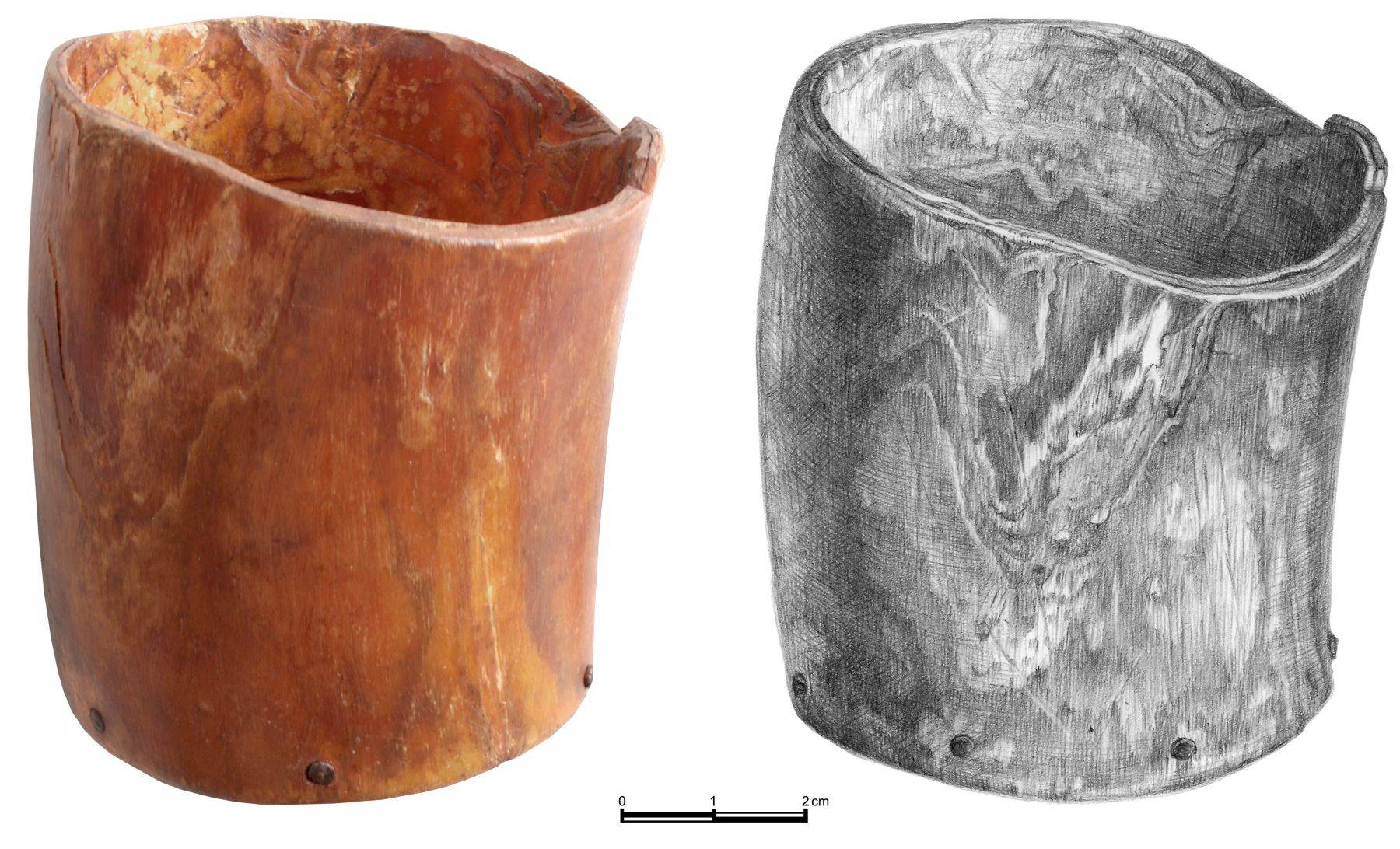
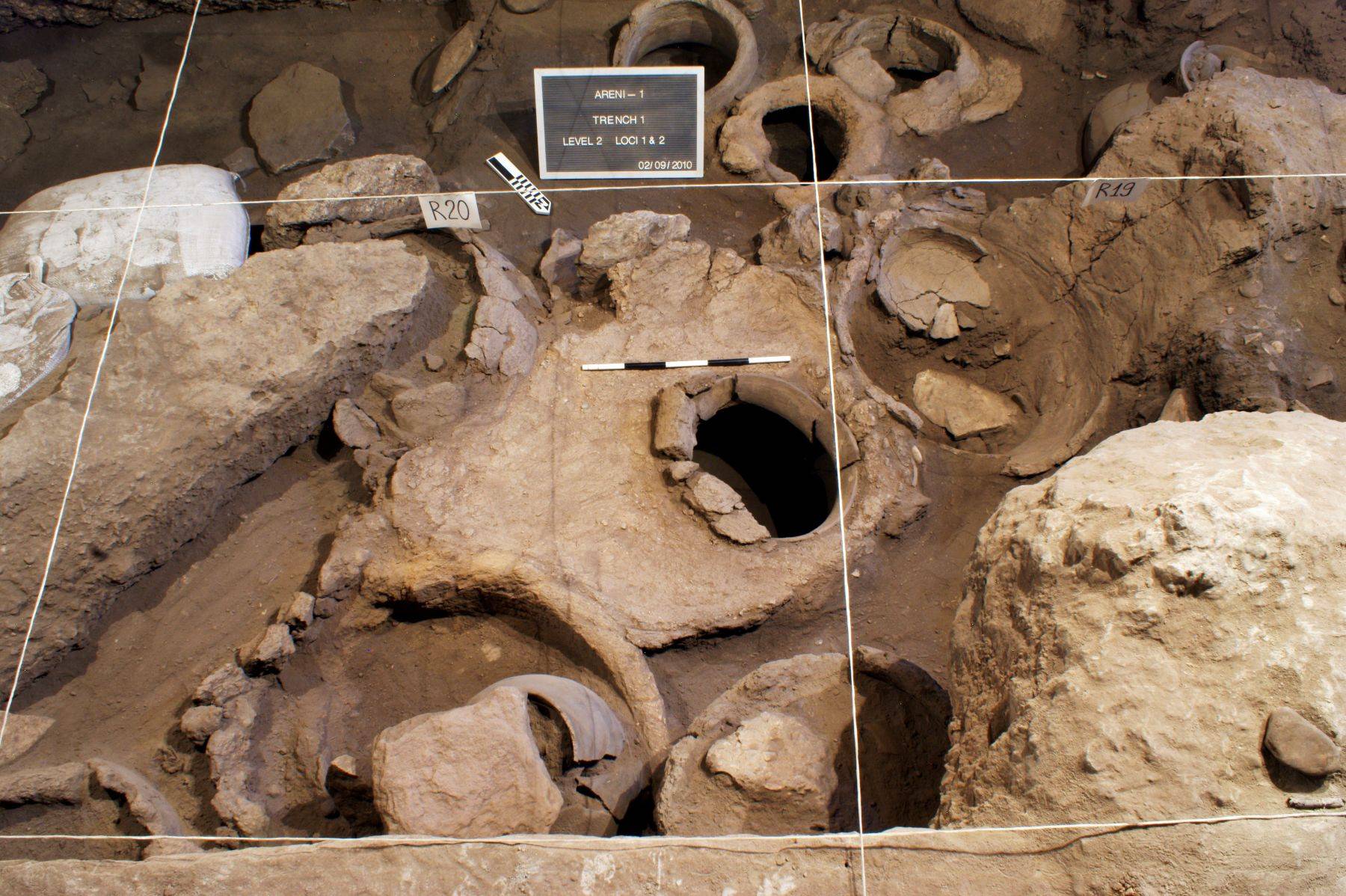
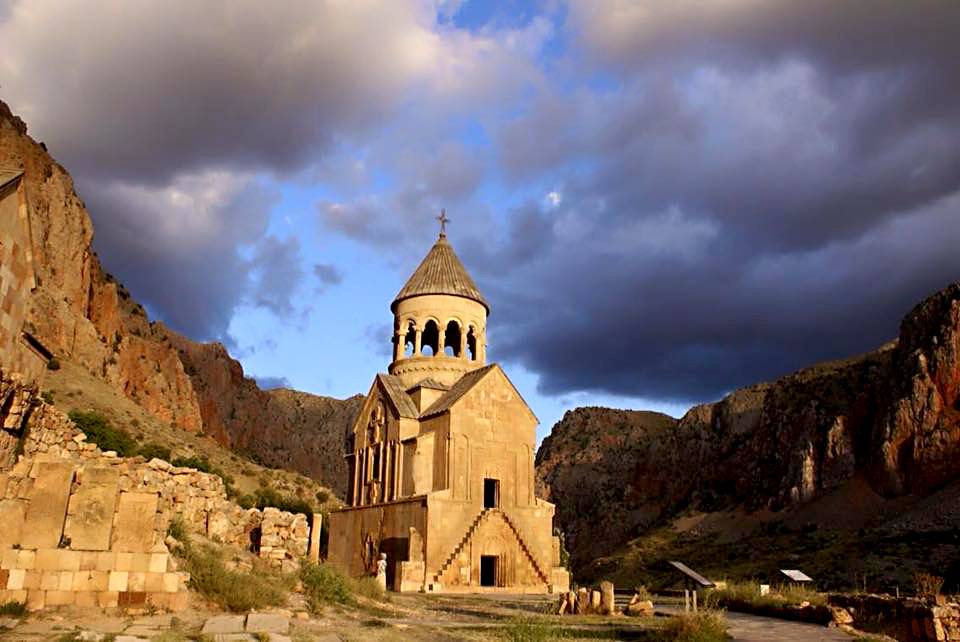
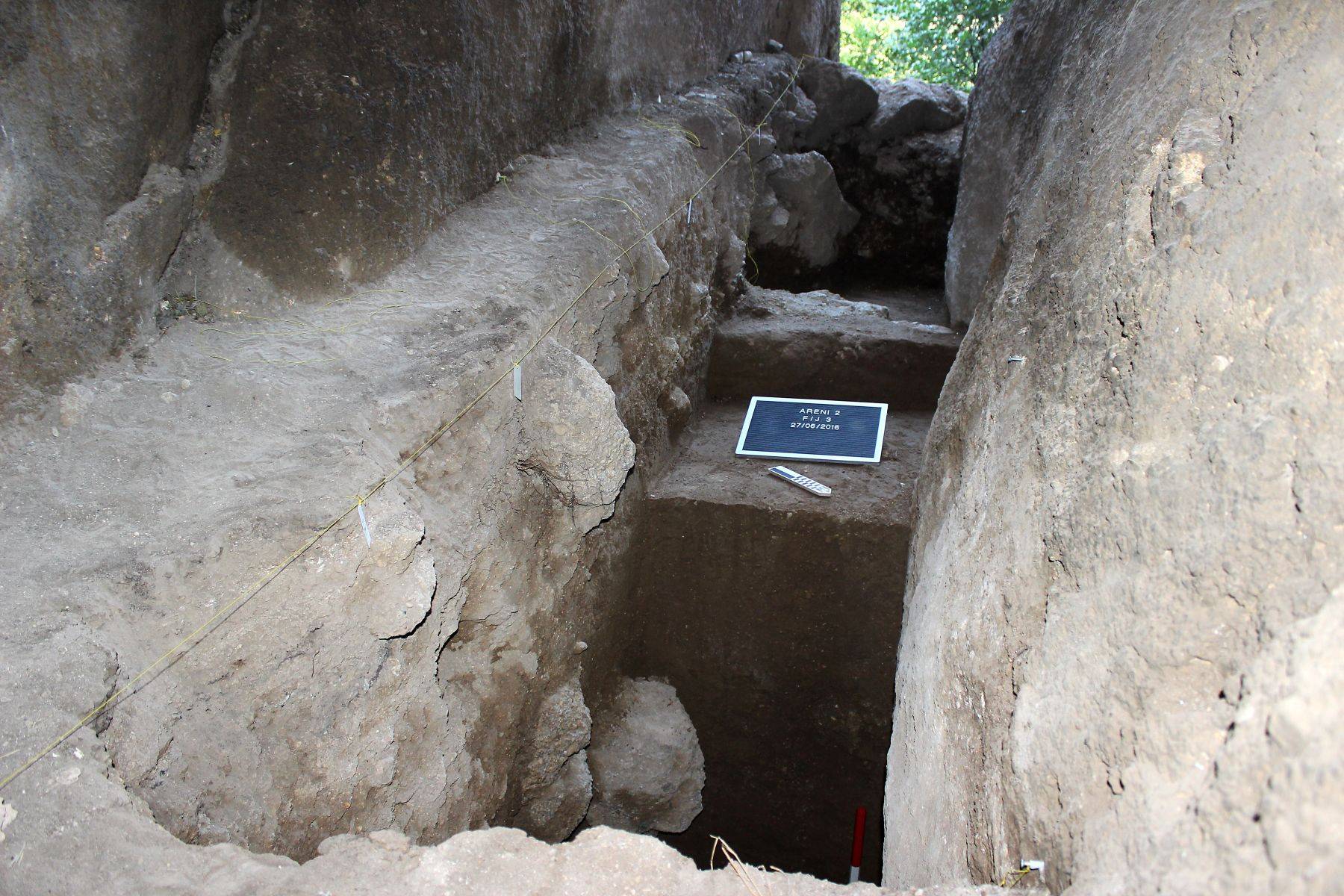
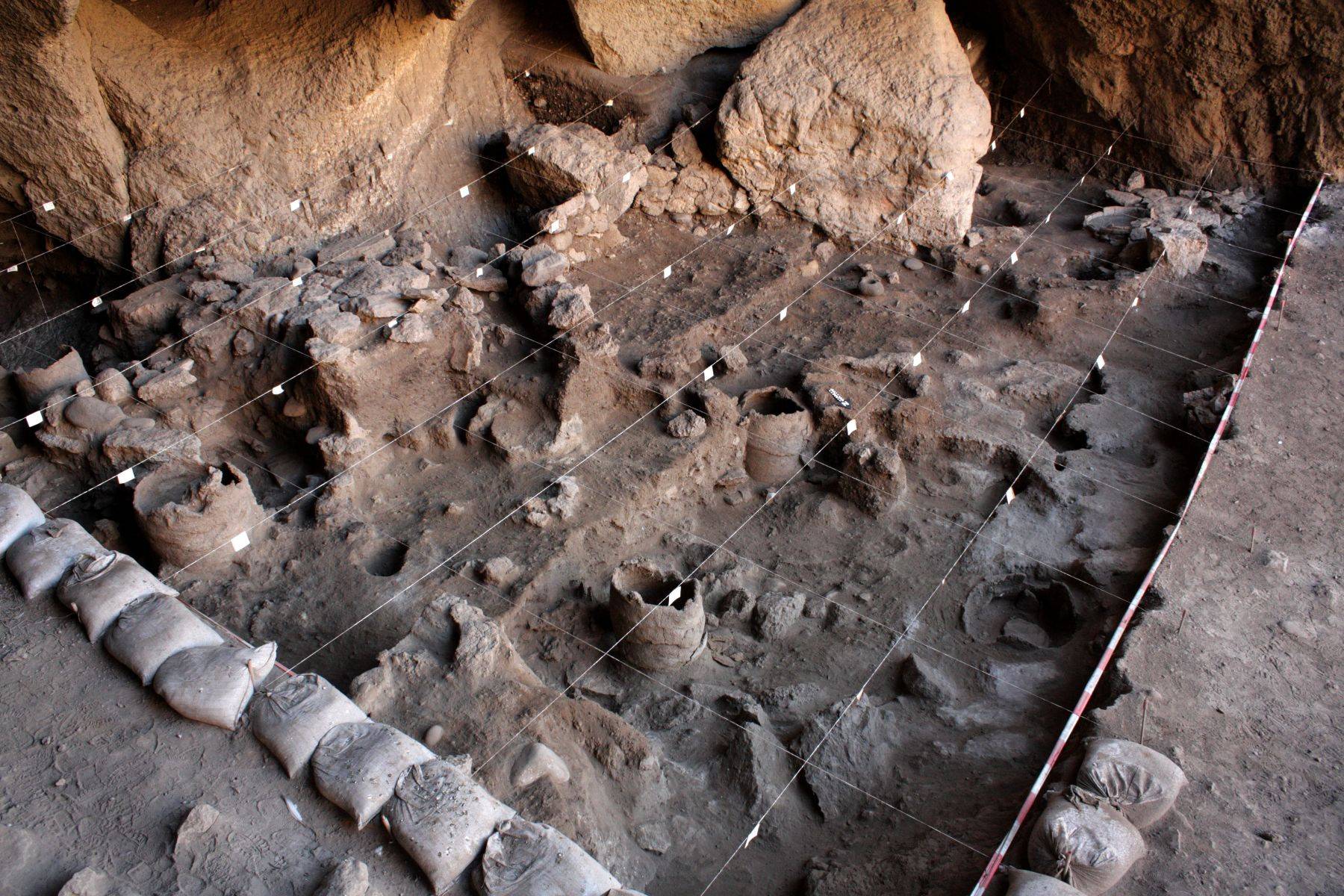
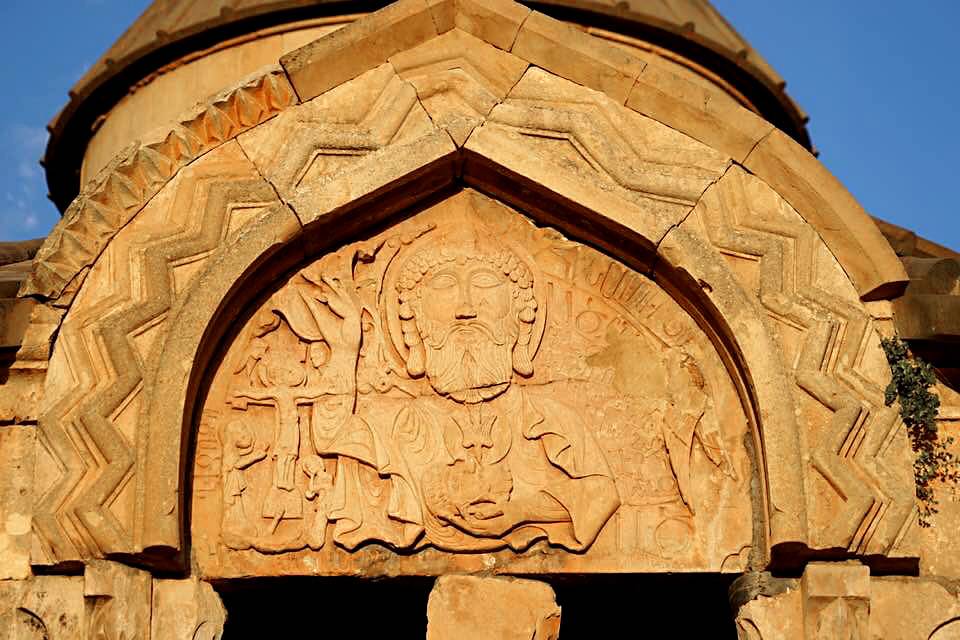
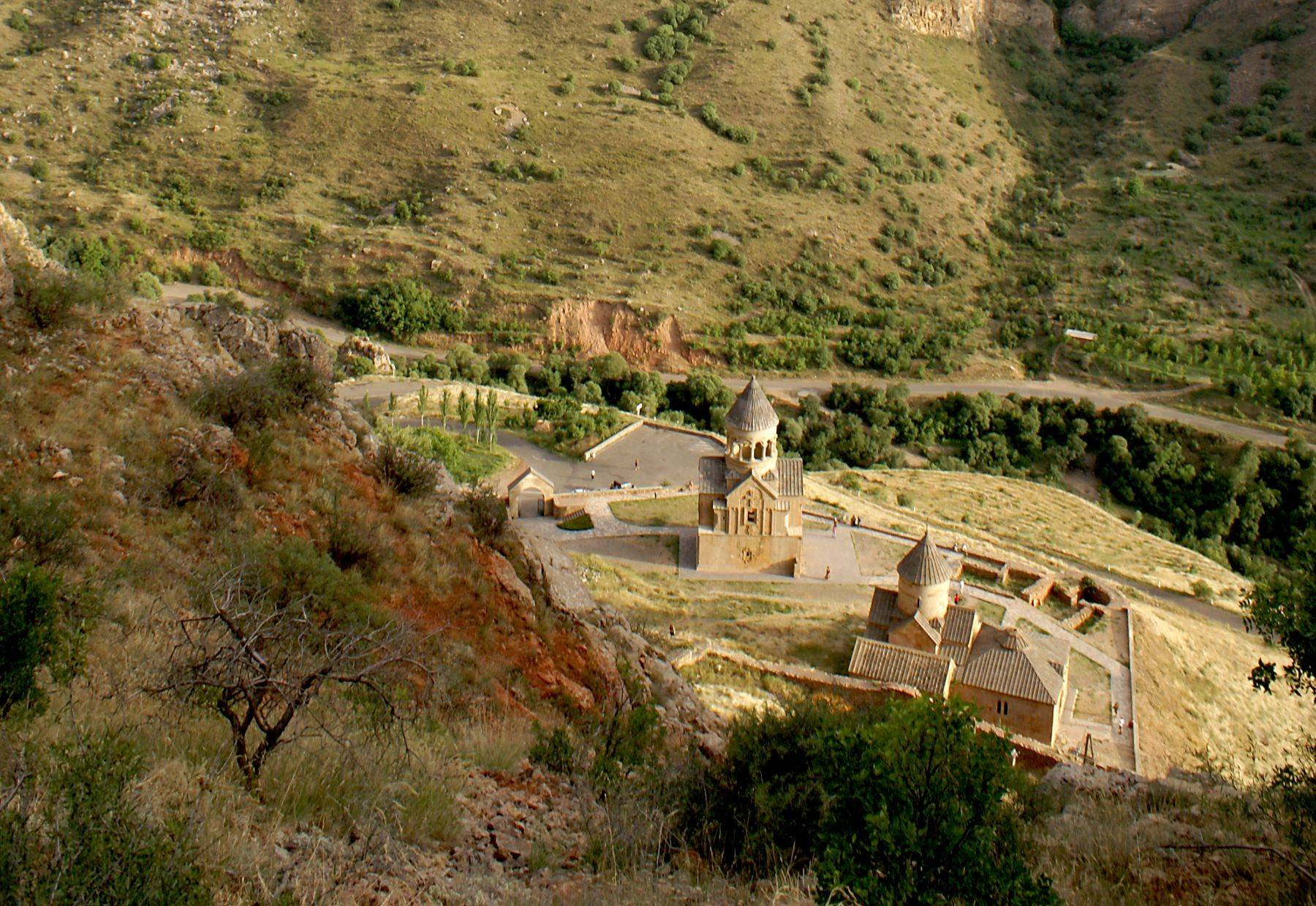
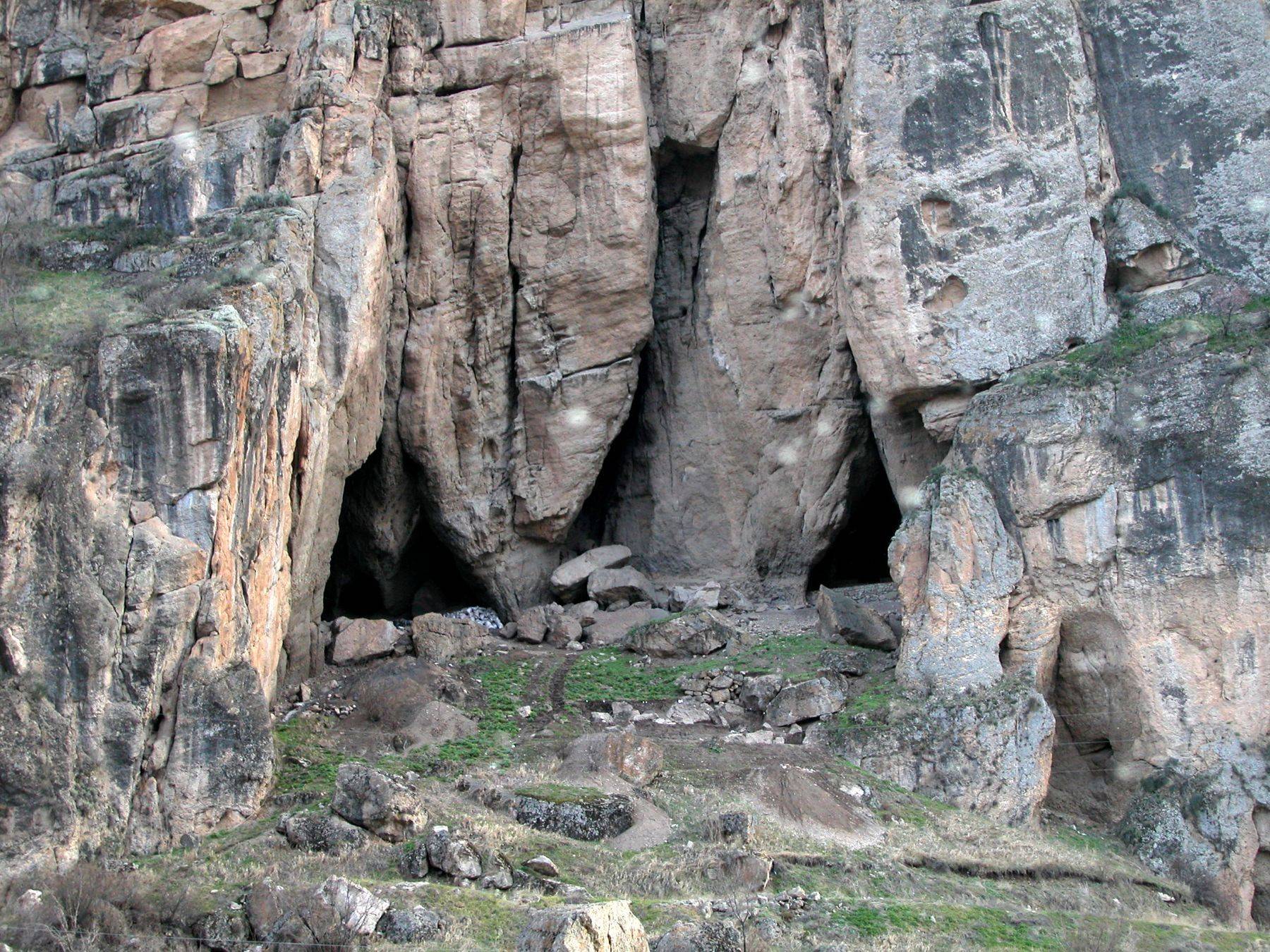
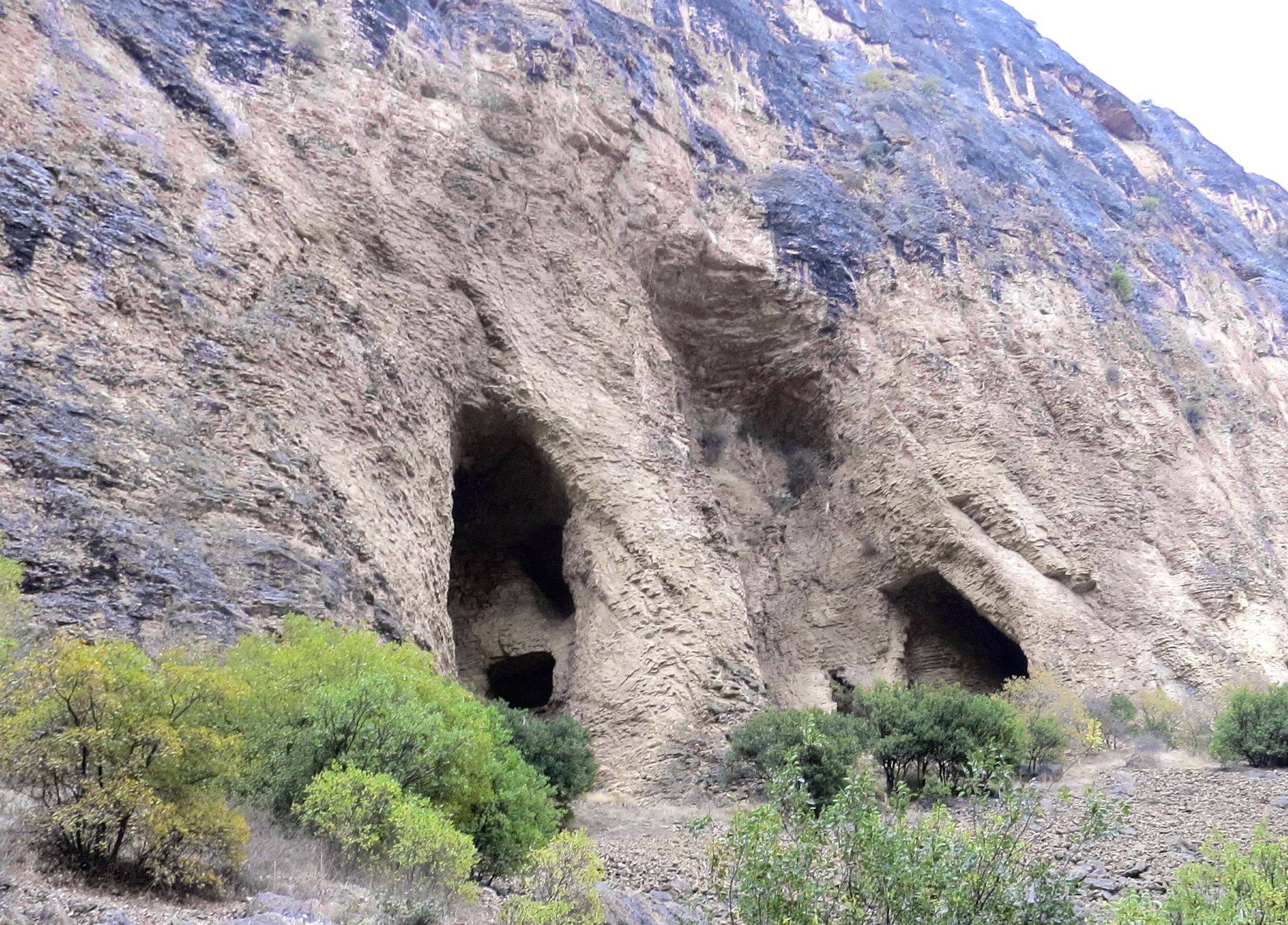
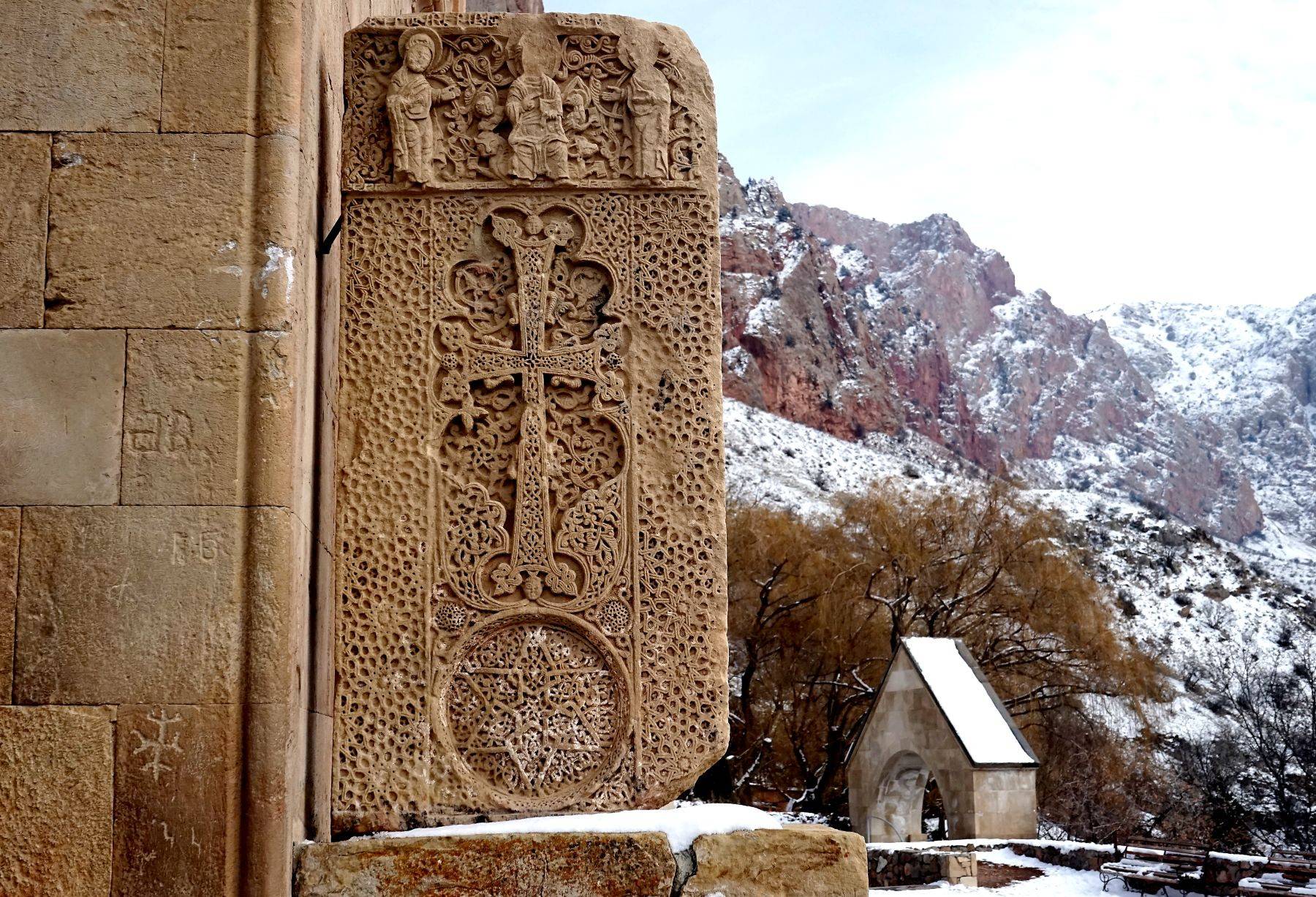
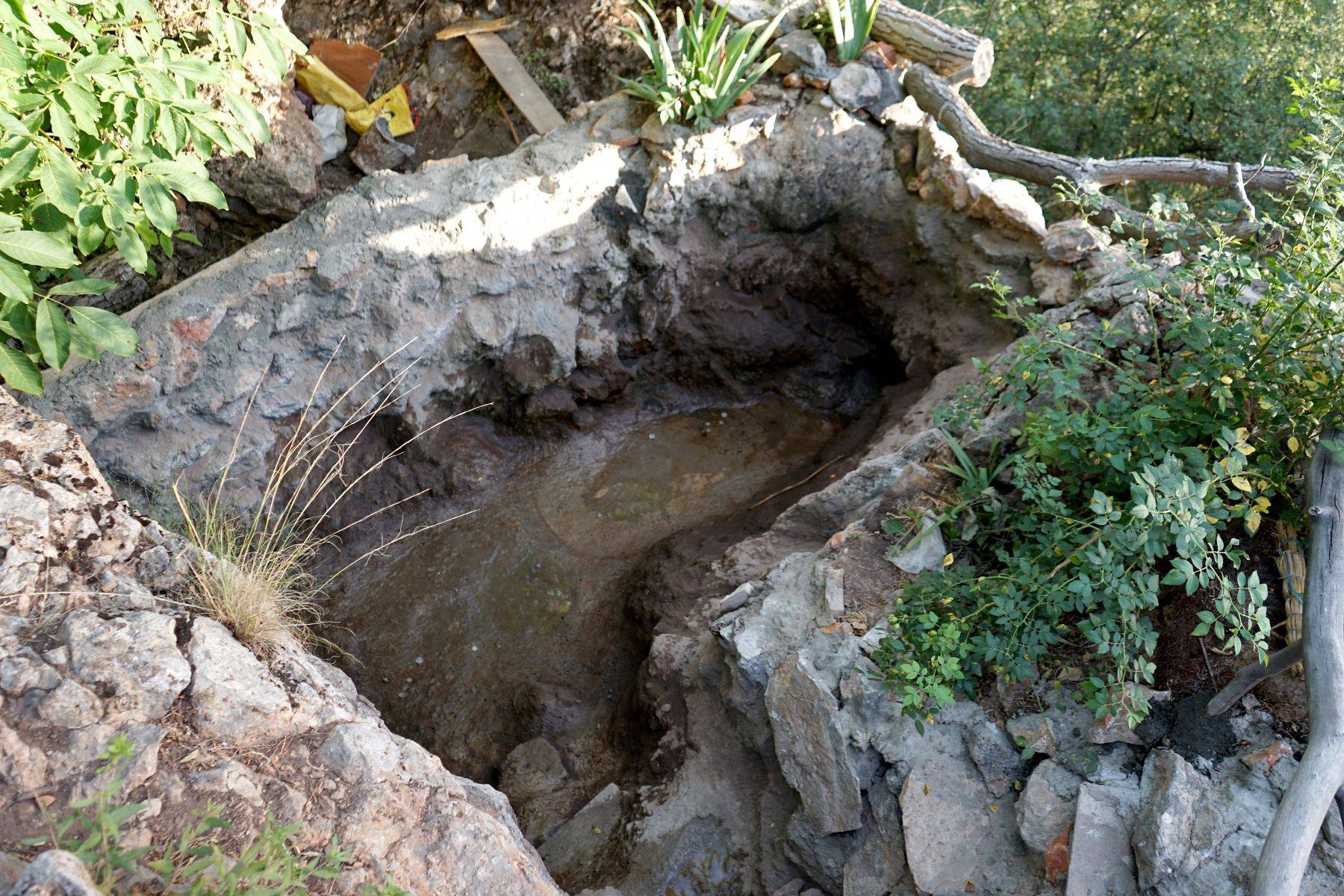
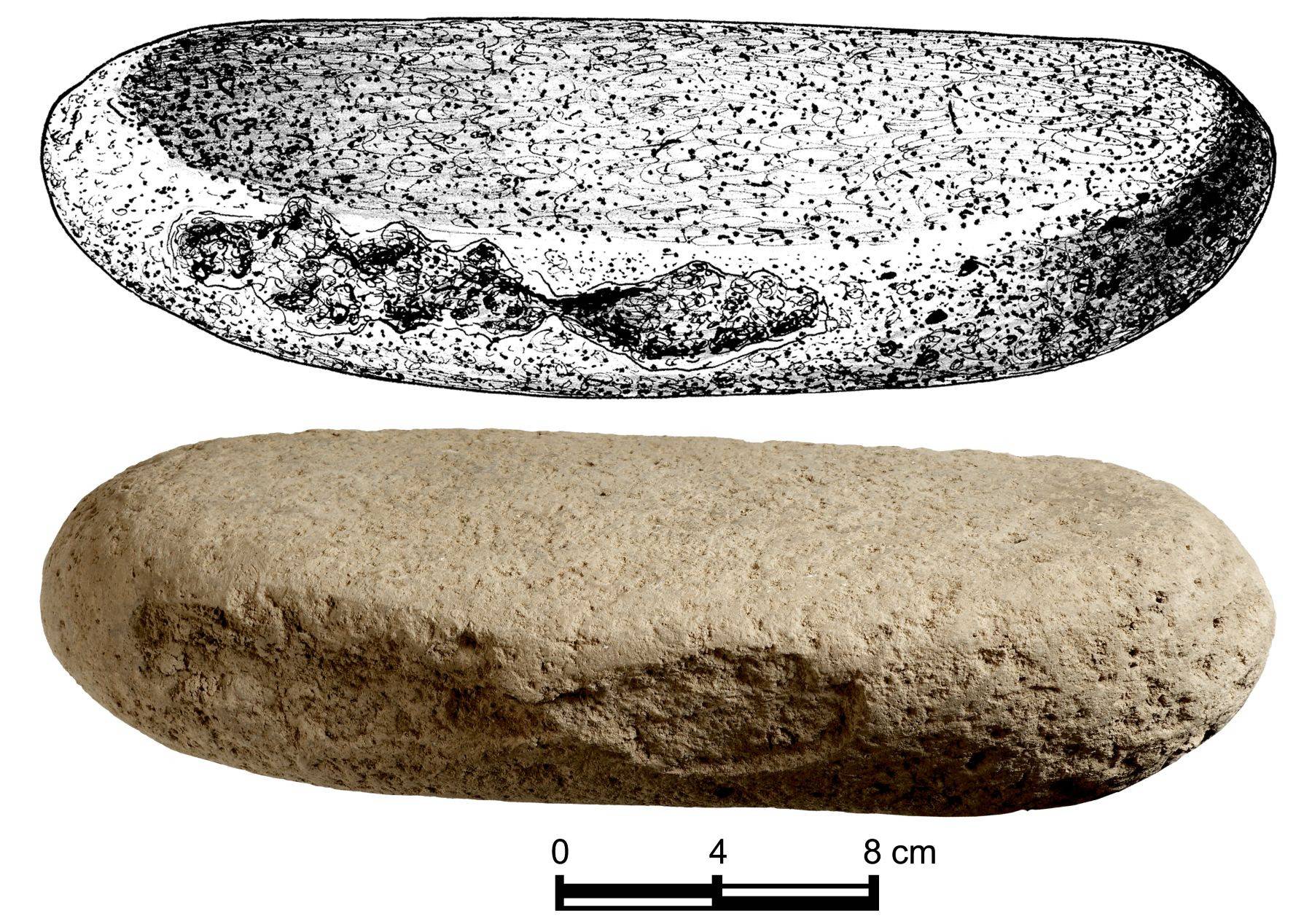
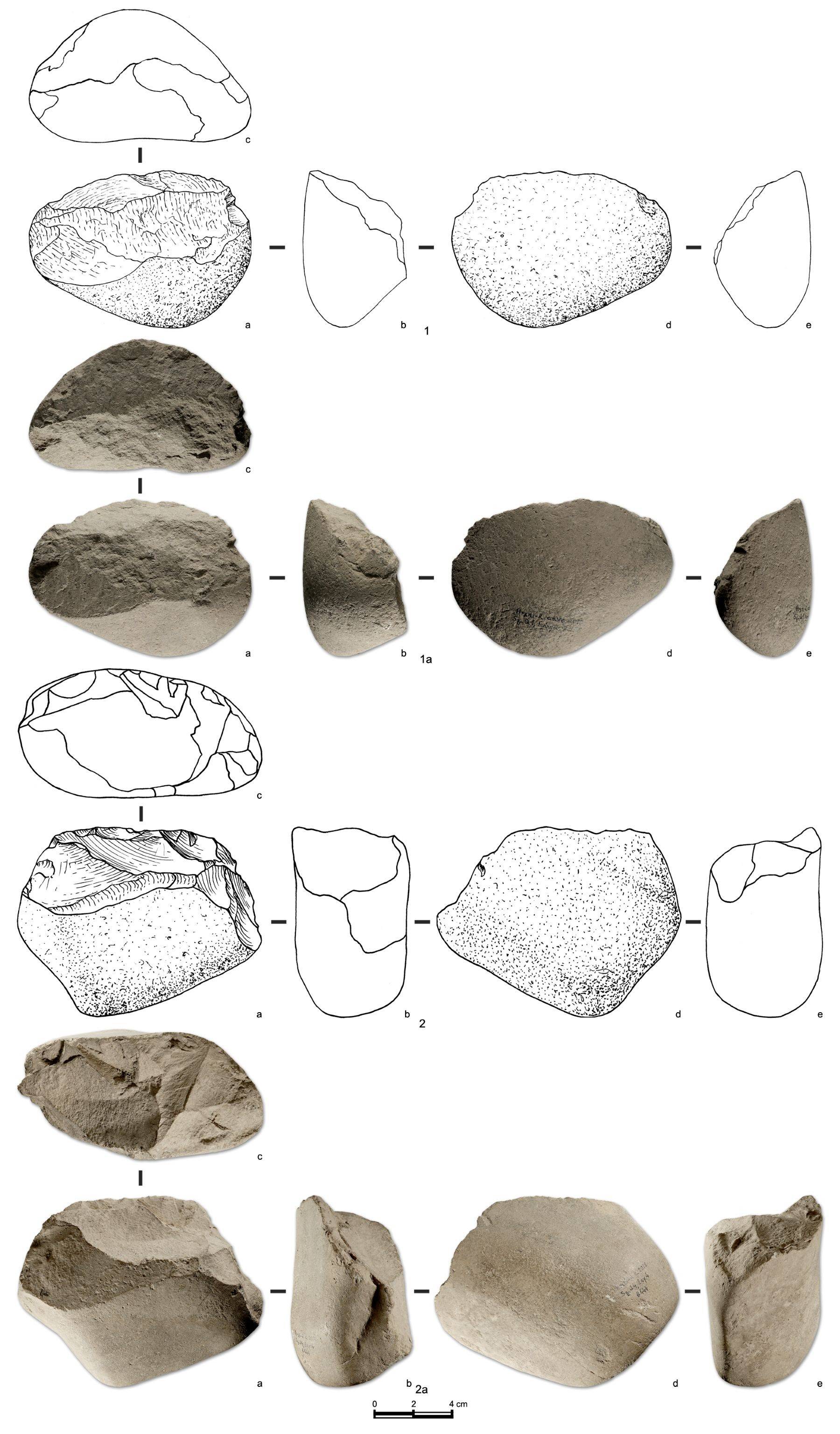
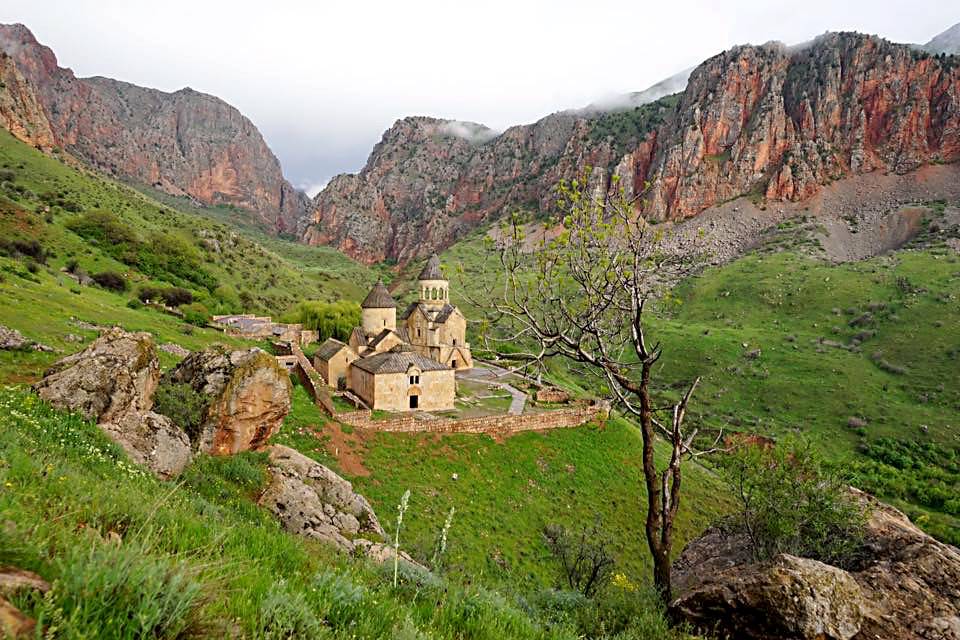
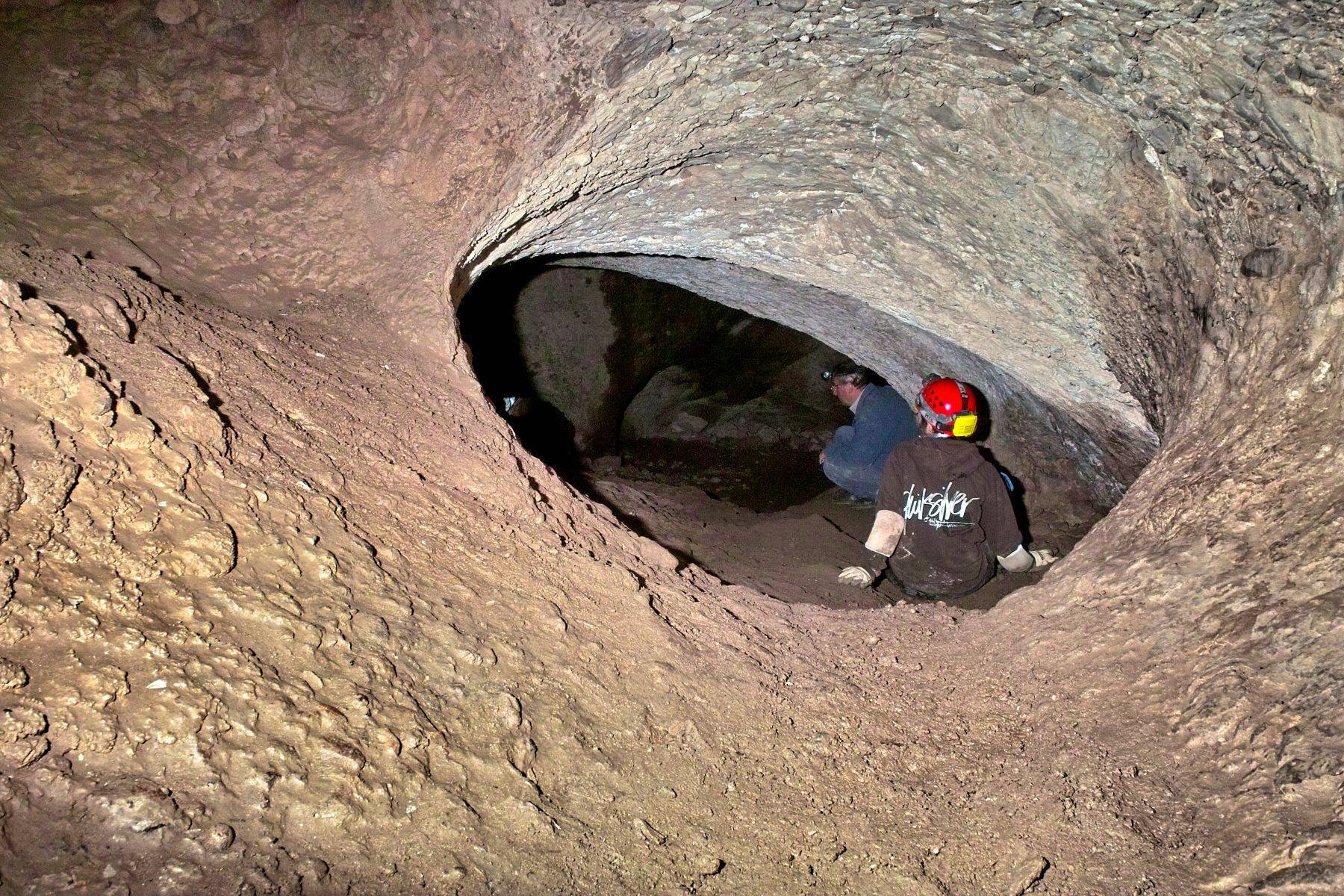
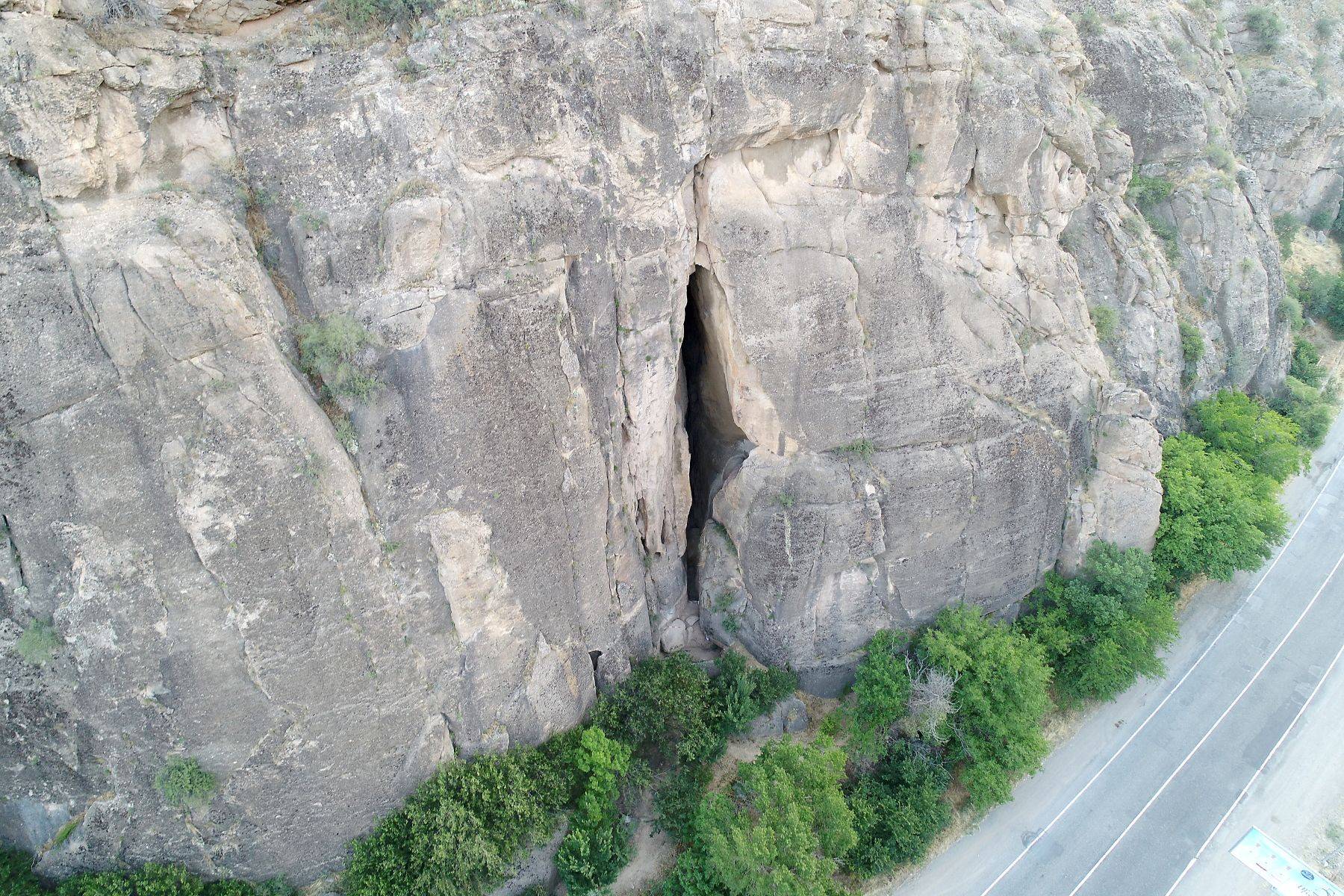
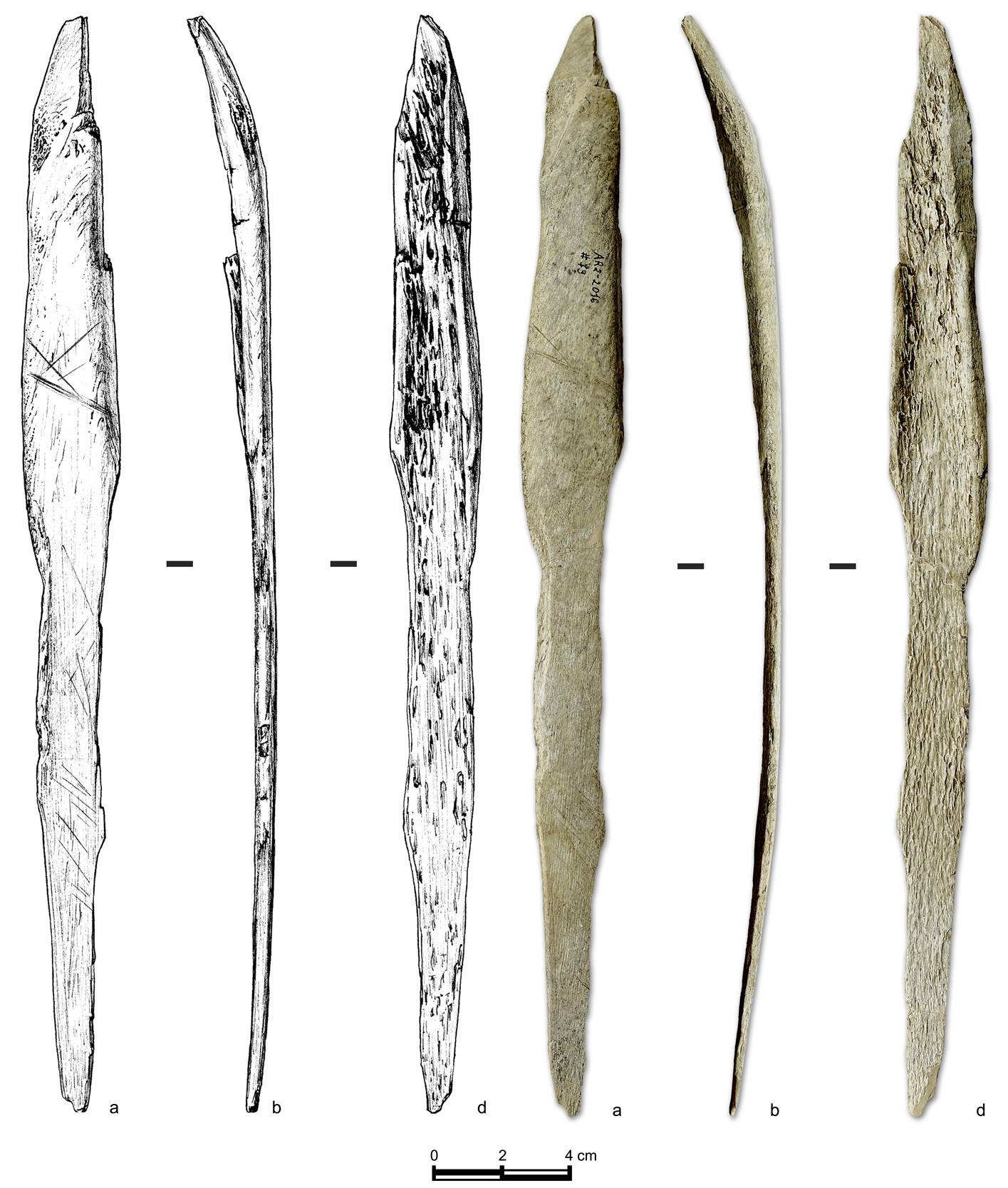
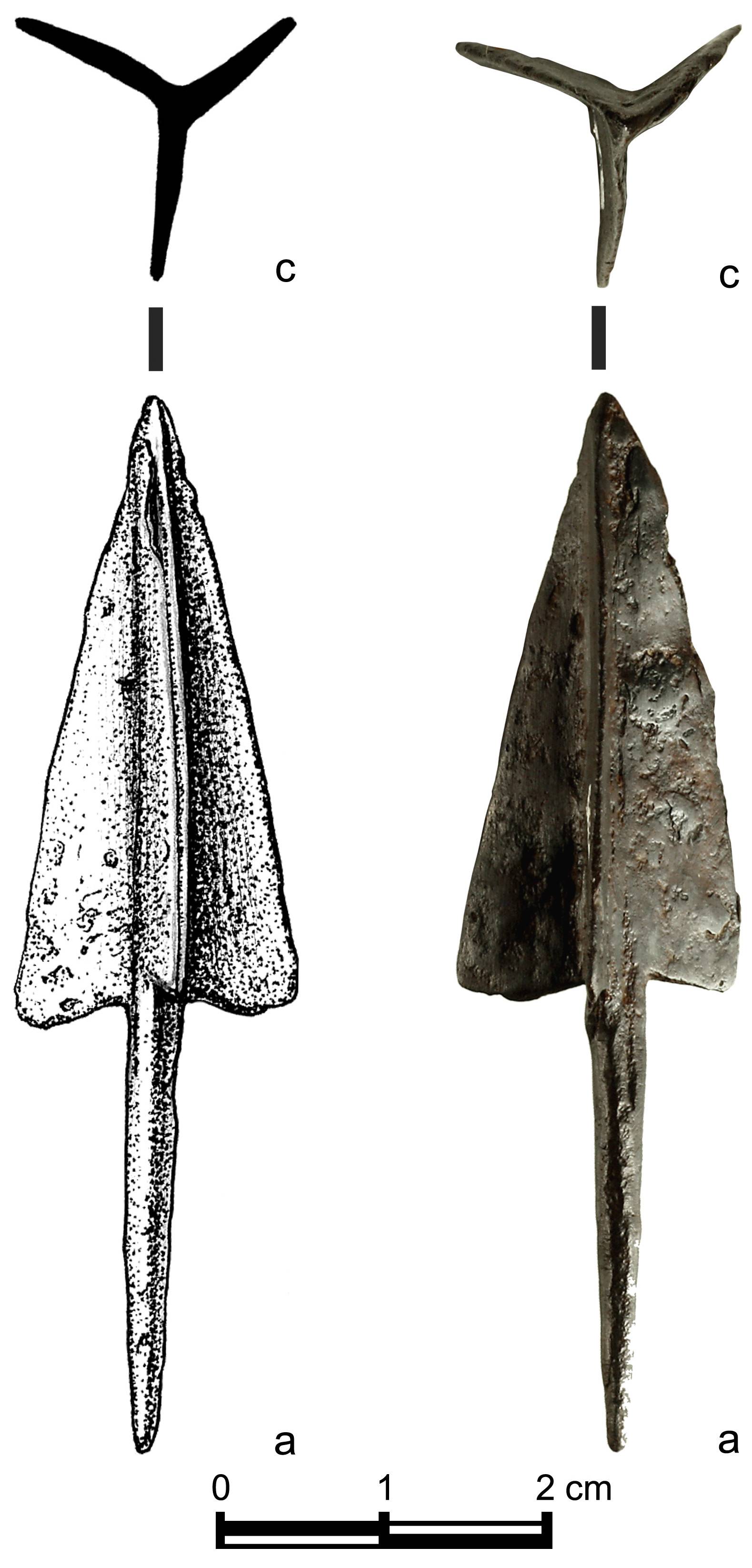
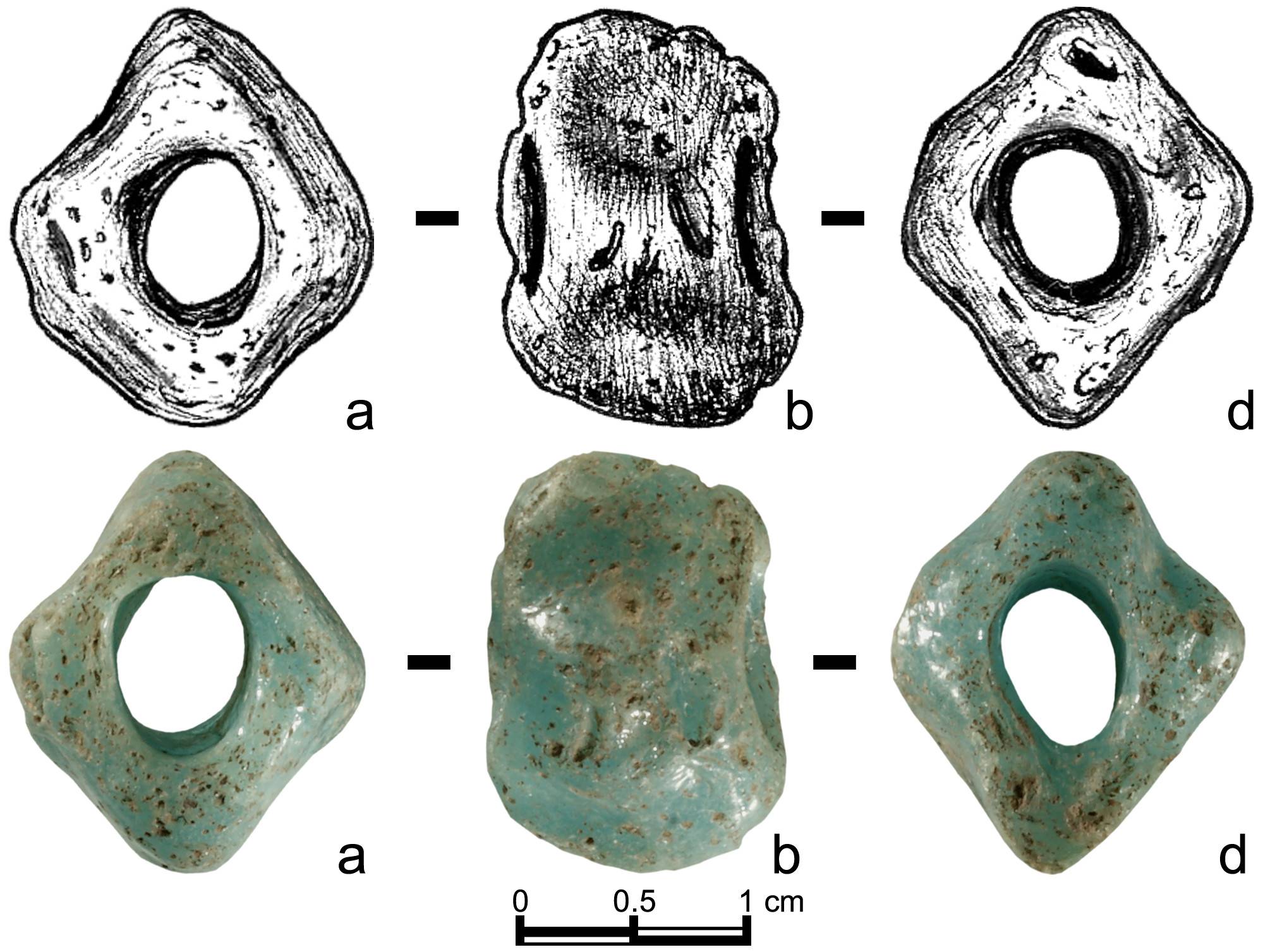
Archaeologists have uncovered evidence for modern human and early human habitation in the Gnishikadzor canyon that begins in the distant past and continues up until today. Two caves located near the northern entrance of this canyon, called Areni-1 and Areni-2, contained early stone tools manufactured by Homo erectus. These hunter-gatherer ancestors of modern humans were attracted by the abundant life-supporting environmental resources of the local landscape, living here around 2 to 1.5 million years ago (the Lower Paleolithic period). They made simple stone tools from materials like limestone and basalt to pound and cut their food (tools known to archaeologists as choppers and spheroids), leaving behind irregular stone flakes and other byproducts from manufacturing their stone technology. Modern human activity appears in the caves during the VII millennium BCE (the Neolithic period). In Areni-2, archaeologists uncovered a goat skull and bone dagger combined with human remains, evidence that ritual activities associated with death probably took place in this cave. Human use of the caves expanded, with intensive ritualistic, economic, and domestic activities from the last quarter of the V millennium BCE to the first half of the IV millennium BCE (the Late Chalcolithic period). From this period of increasing societal complexity, both the world’s oldest wine-making equipment and the world’s oldest preserved leather shoe have been found in Areni-1 cave. The earliest archaeological investigations of the Gnishikadzor canyon, which took place at the beginning of the XX century, also uncovered evidence for human activity during the III to I millennia BCE (the Bronze and Iron Ages). Many caves in the valley, including the «Magelan» cave, as well as Areni-1 and Areni-2, contained evidence for continuous use between the II century BCE and the VIII century CE (the Hellenistic and Early Medieval periods). Excavations in Areni-1 uncovered textile fragments, weights for a scale, coins, fragments of glass objects and glazed pottery sherds. A unique wooden bow found in the «Magelan» cave survived from the VII century CE. The XII to XIV centuries CE (the High Medieval period) saw the peak of socio-economic and spiritual-cultural life in Gnishikadzor with the rise of the Noravank Monastery. This monastic complex sits on a small plateau at the southern edge of the valley opposite the medieval village of Amaghu (Tkharb). Already a sacred place that hosted the centuries-old Saint Karapet church and the Saint Pokas Hayrapet sanctuary, by the end of the XIII century Noravank expanded rapidly to contain both the residence of the Syunik Metropolitan bishops and the mausoleum of the powerful Orbelyan princes. The fame of the monastery stems not only from this important historical role, but also from its status as a production center for high-quality architectural, sculptural, and epigraphic works, as well as for precious manuscripts and miniatures. During the XVII and XVIII centuries (the Late Medieval period) the caves of Gnishikadzor served multiple functions, such as refuges from the attacks of nomadic tribes and as pens for livestock farming. Mobile hunters also used the caves for temporary shelter, as evidenced by simple hearths located at cave entrances near which were found arrowheads and rounded sling-stones. Again, in the XIX and early XX centuries, migrants took refuge in the caves to escape the horrors of the Russian-Persian and Russian-Turkish wars and the 1915 genocide.
(24 Images)