
GNISHIKADZOR AS A CRADLE OF VITICULTURE
05.09.2019
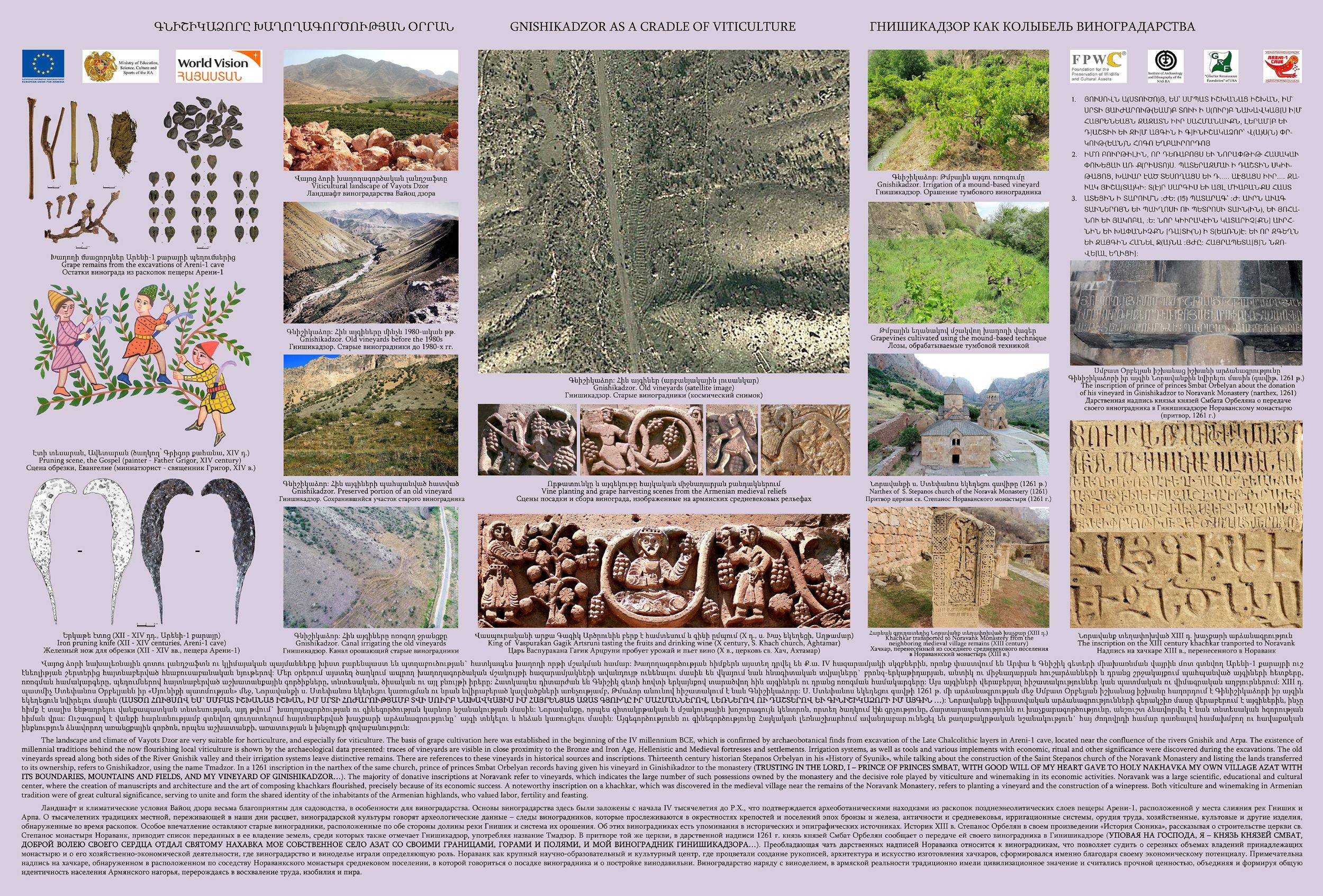
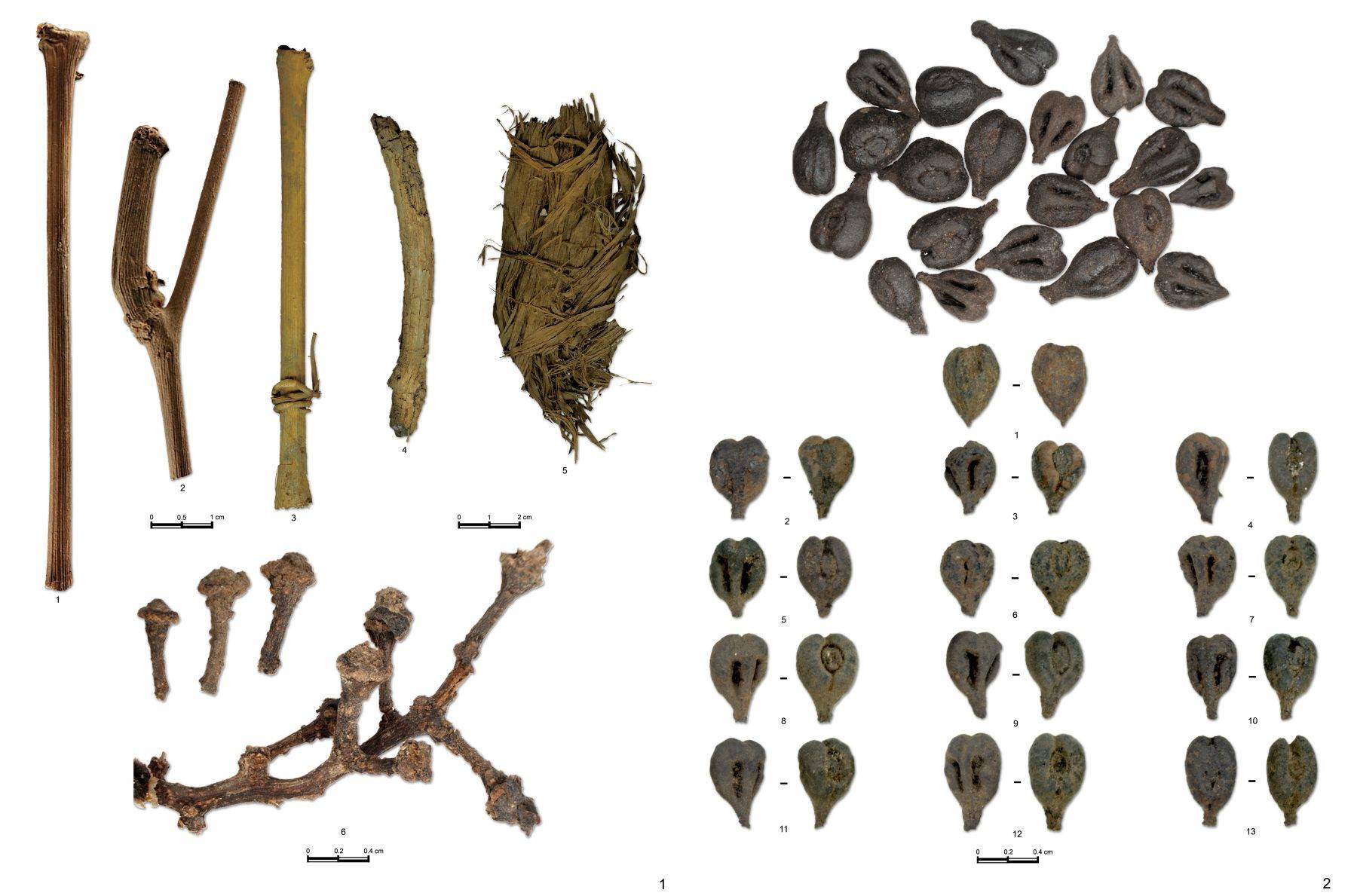
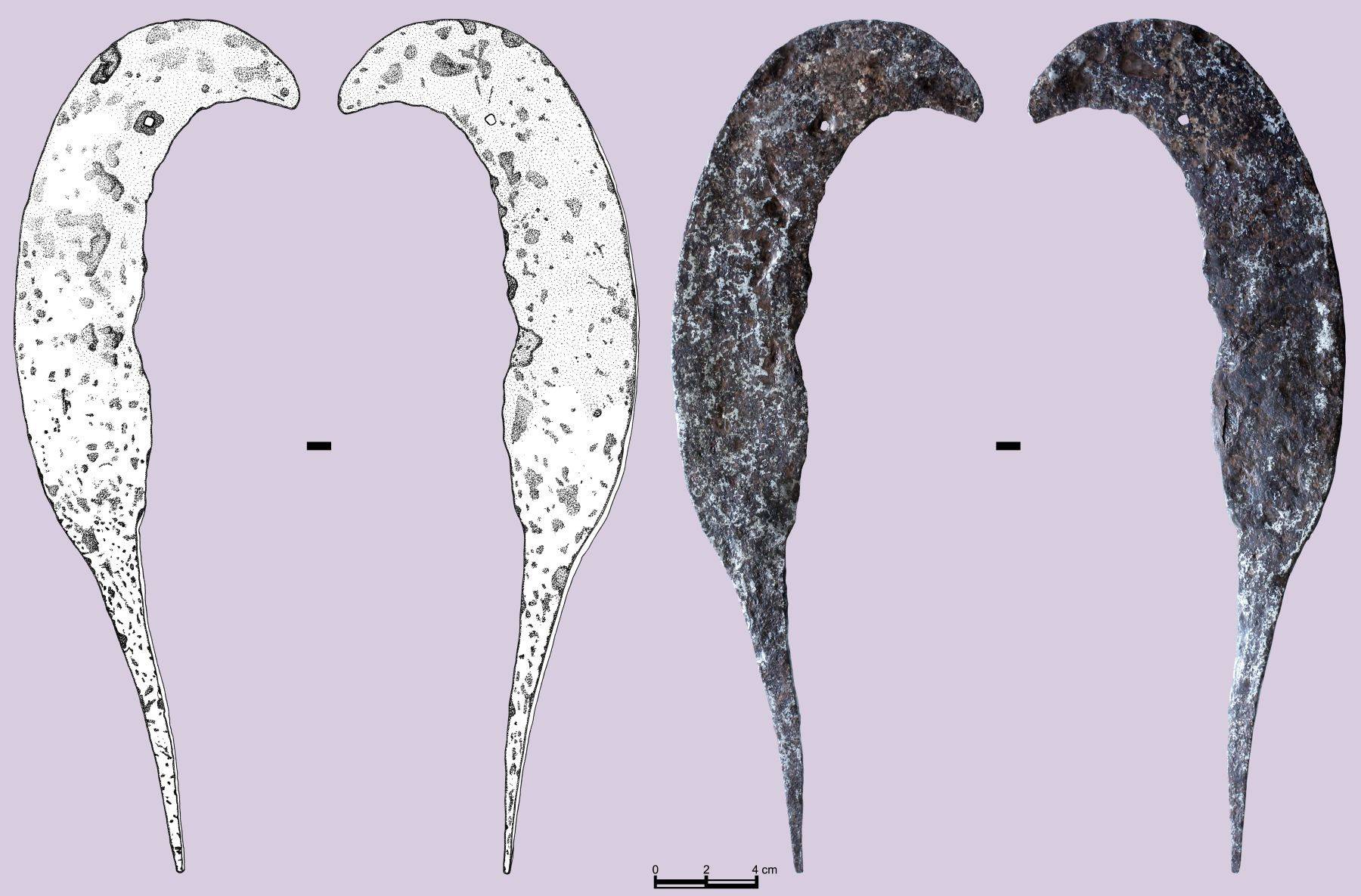
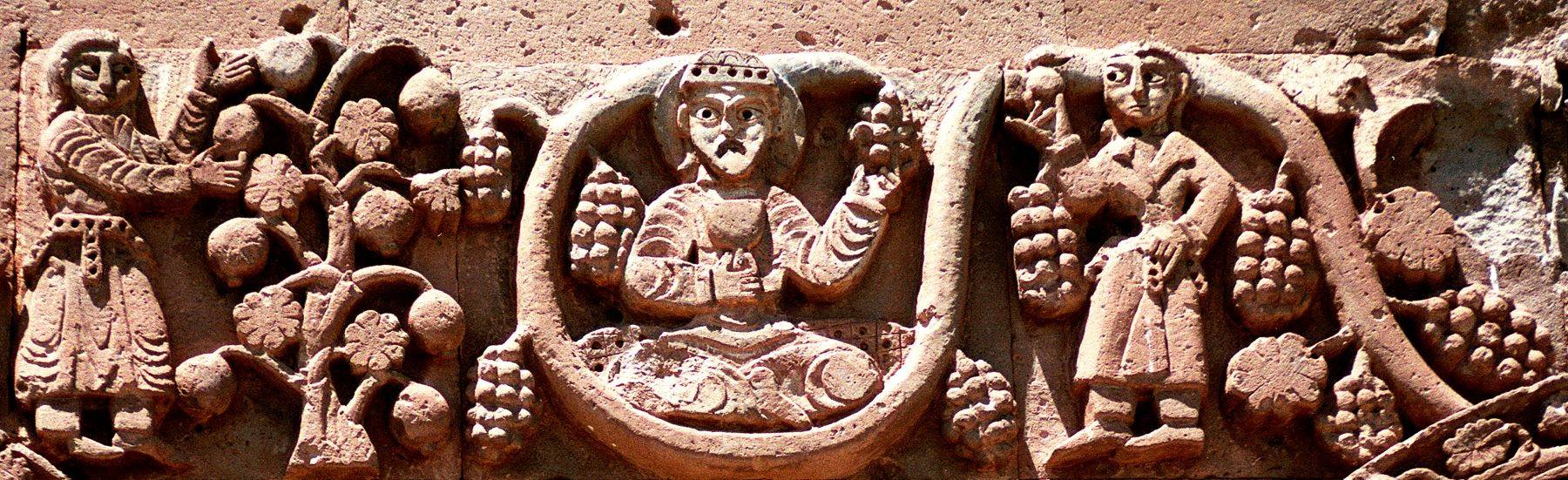
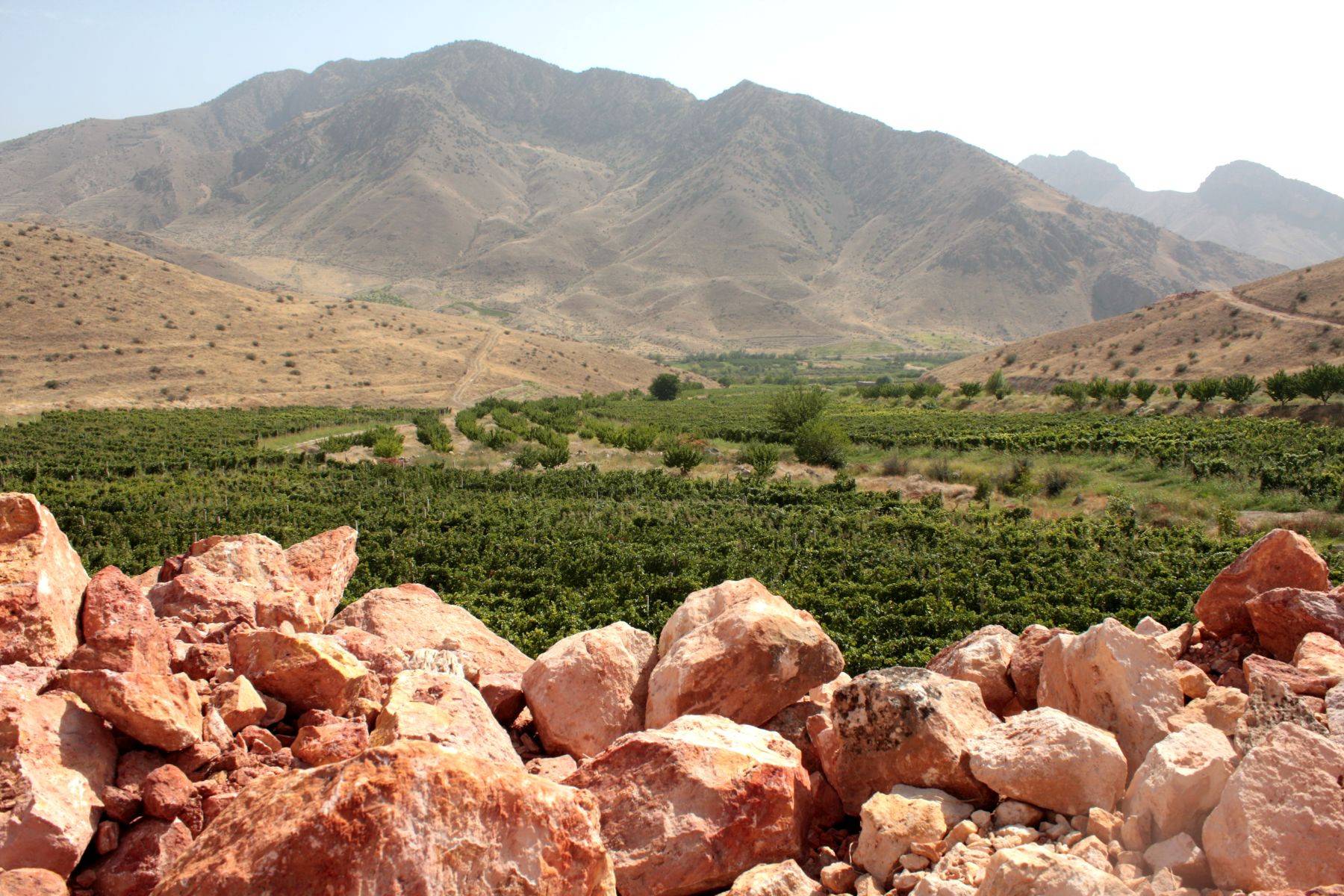
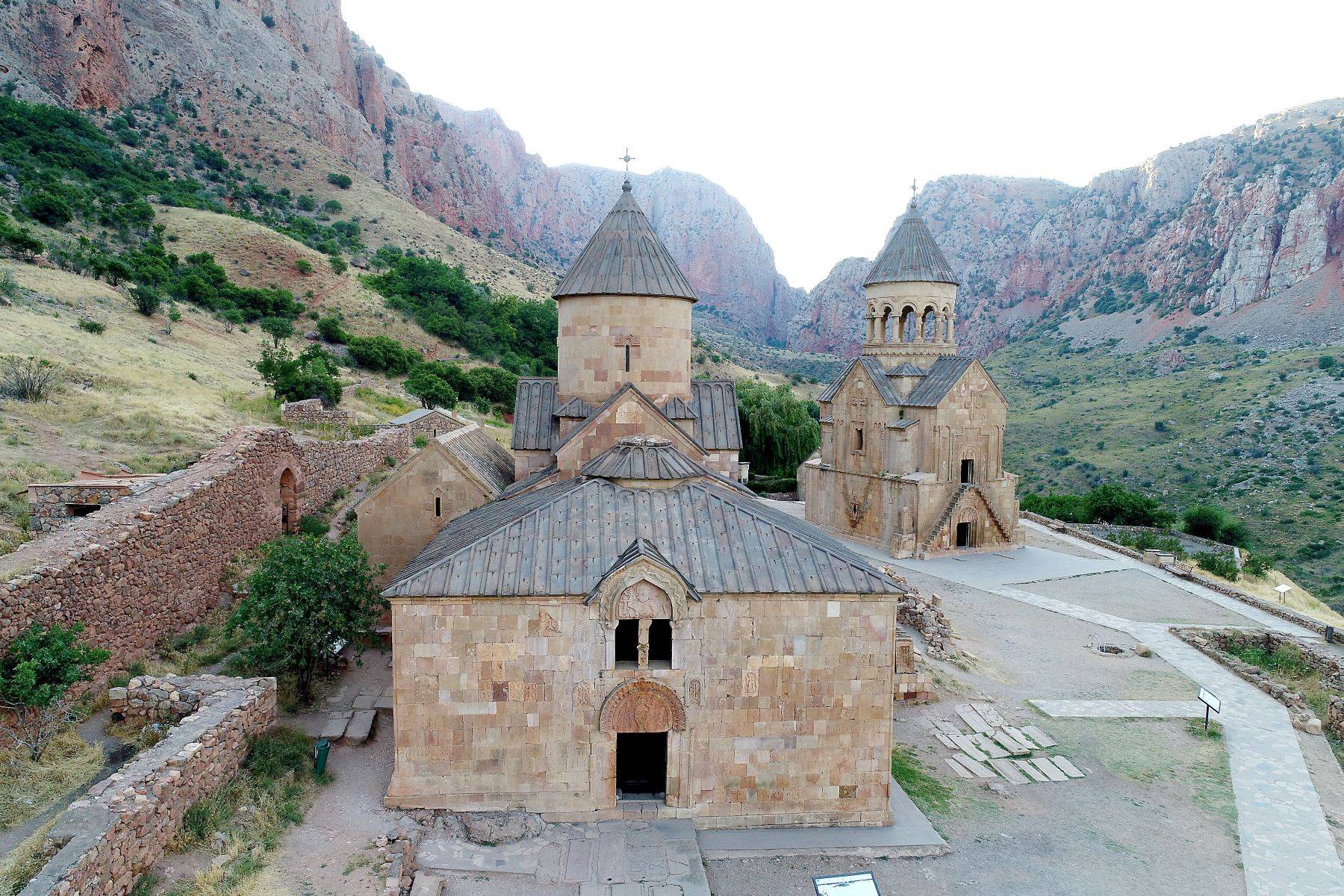
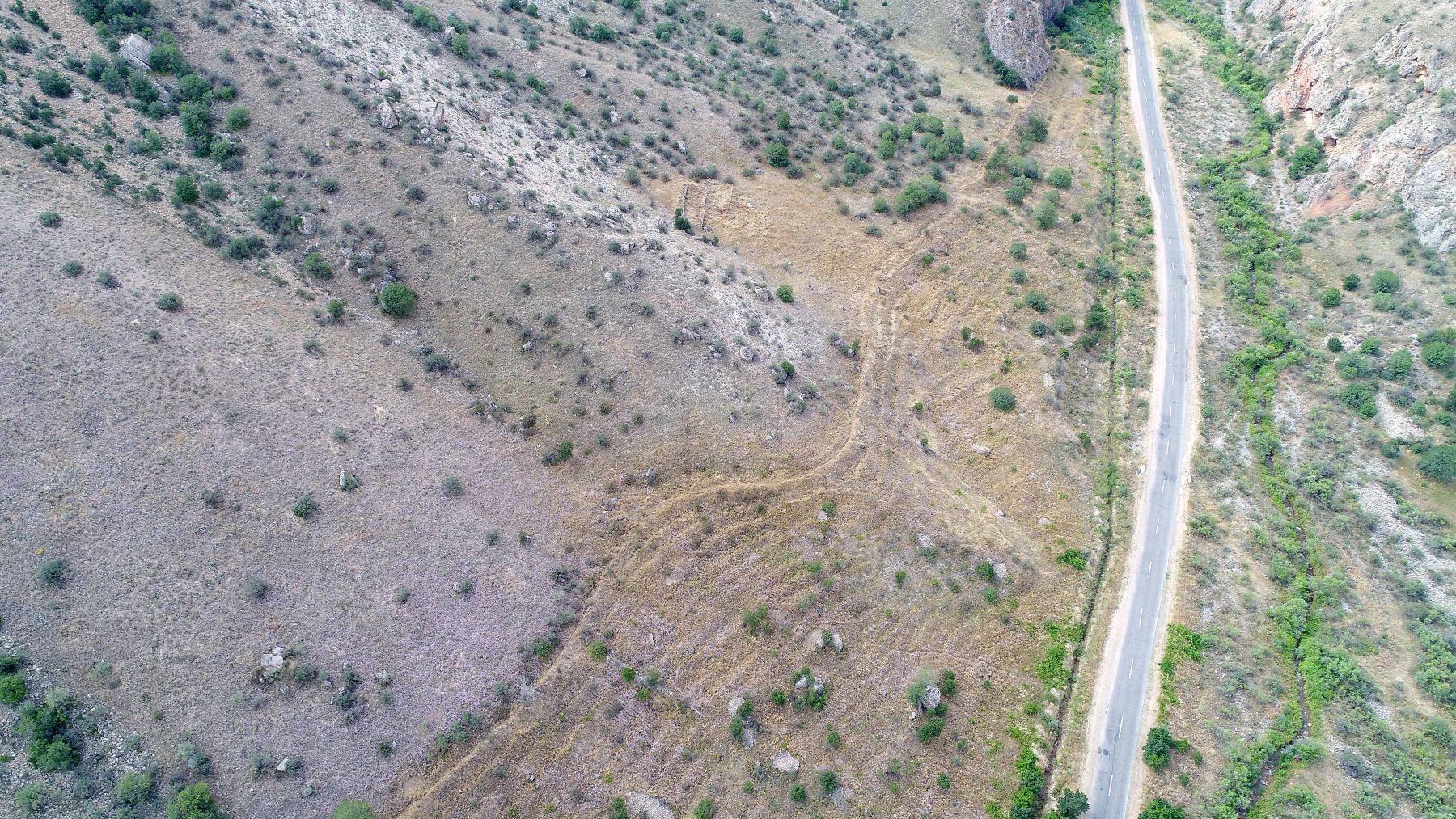
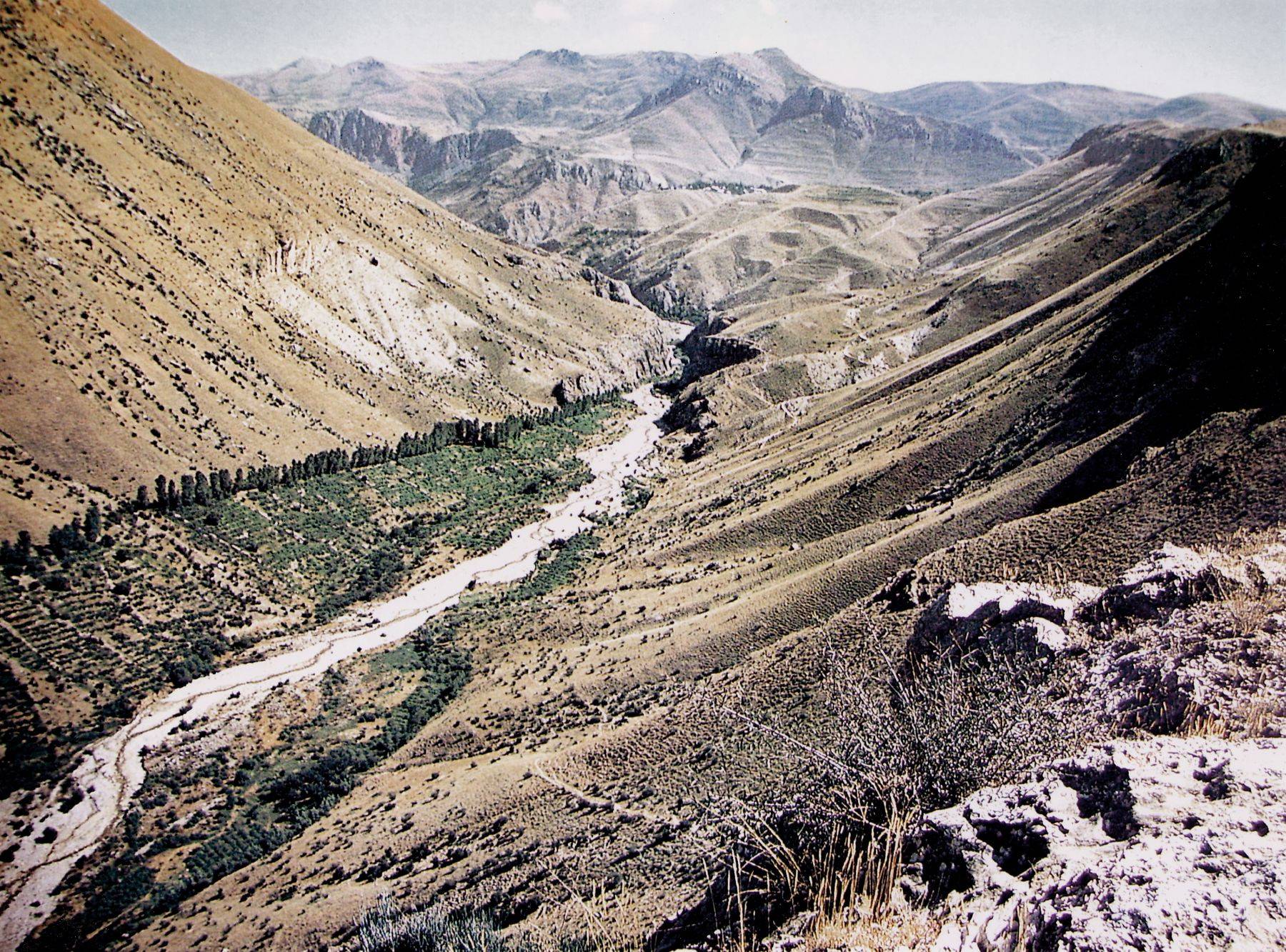
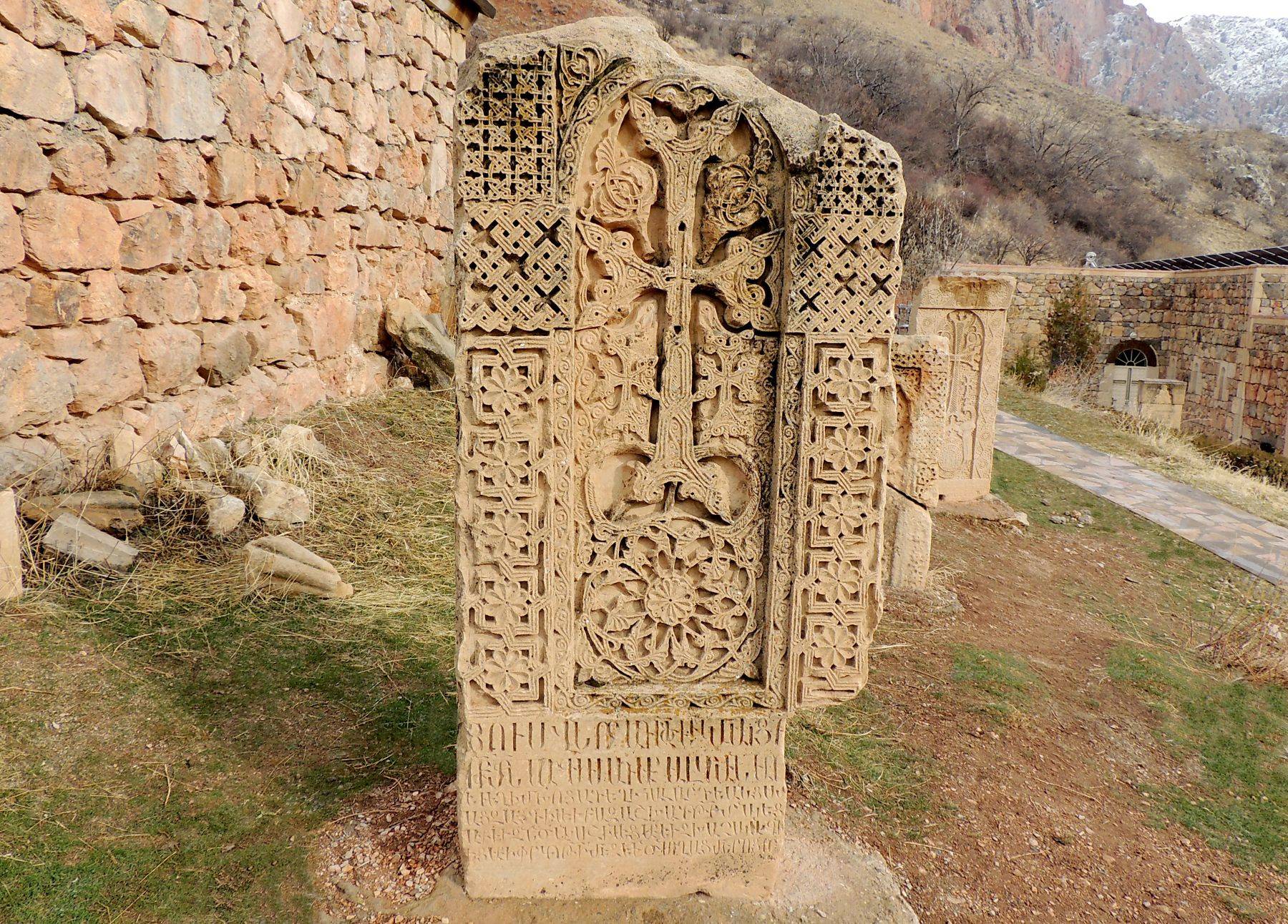
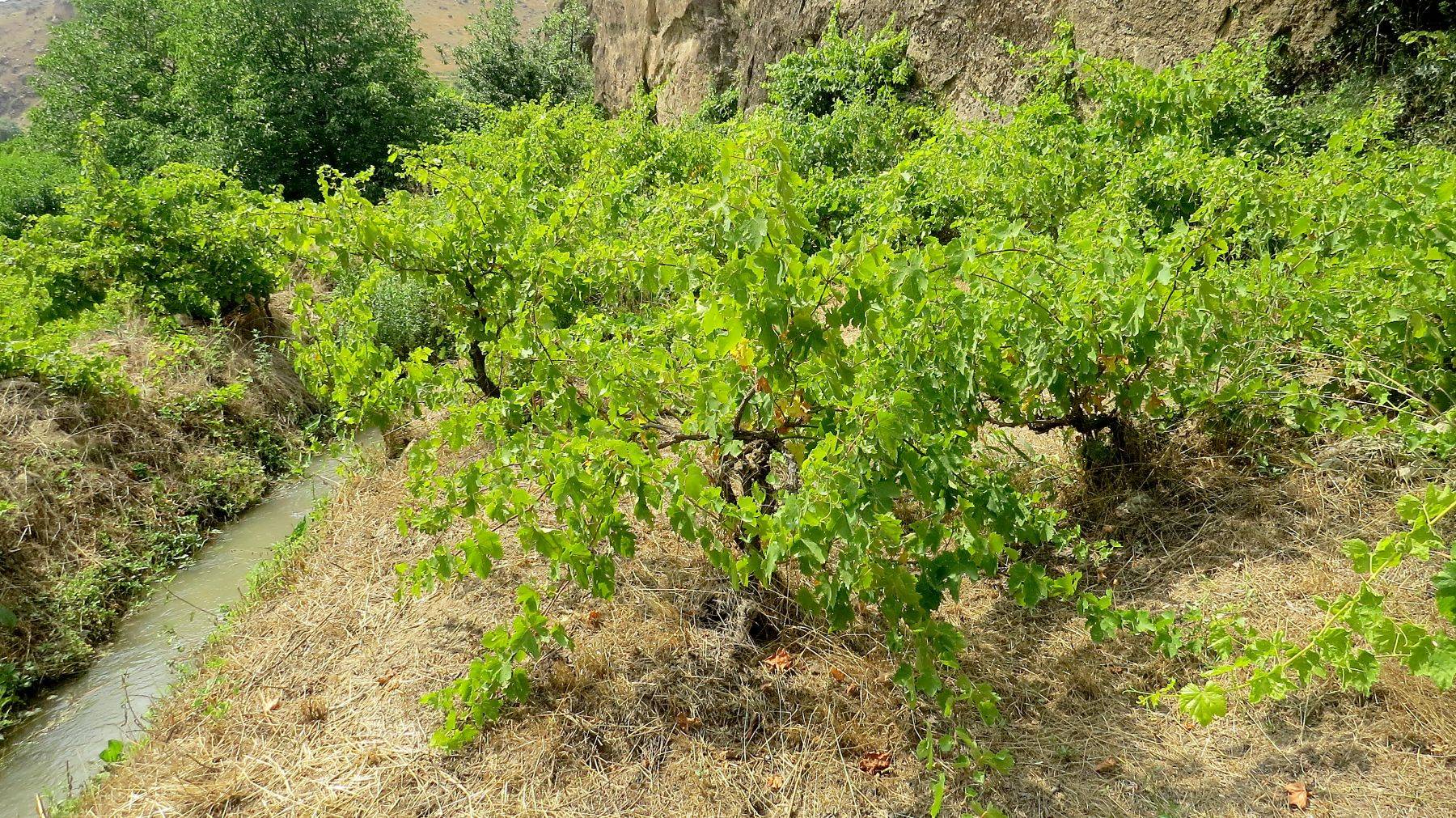
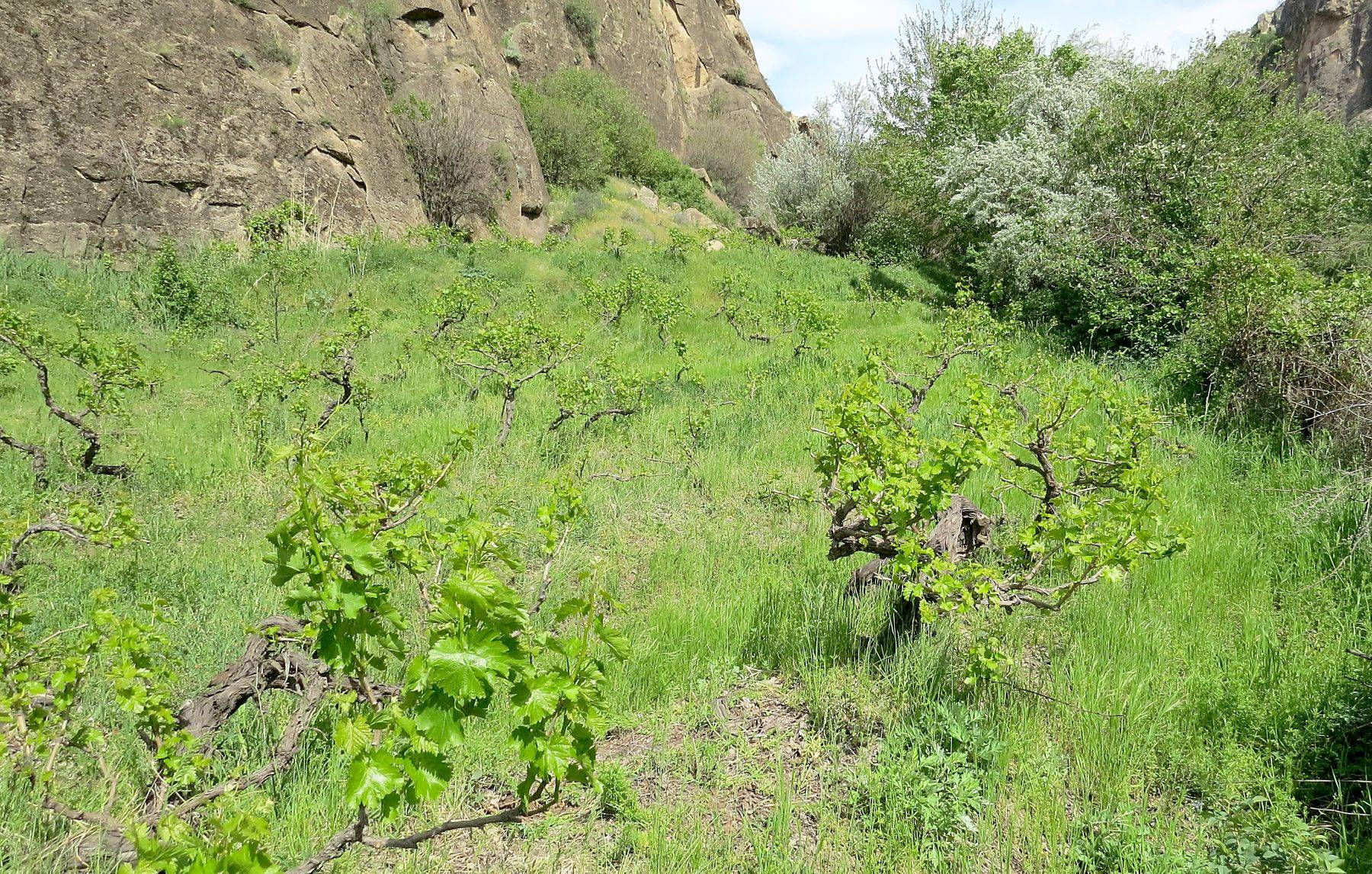
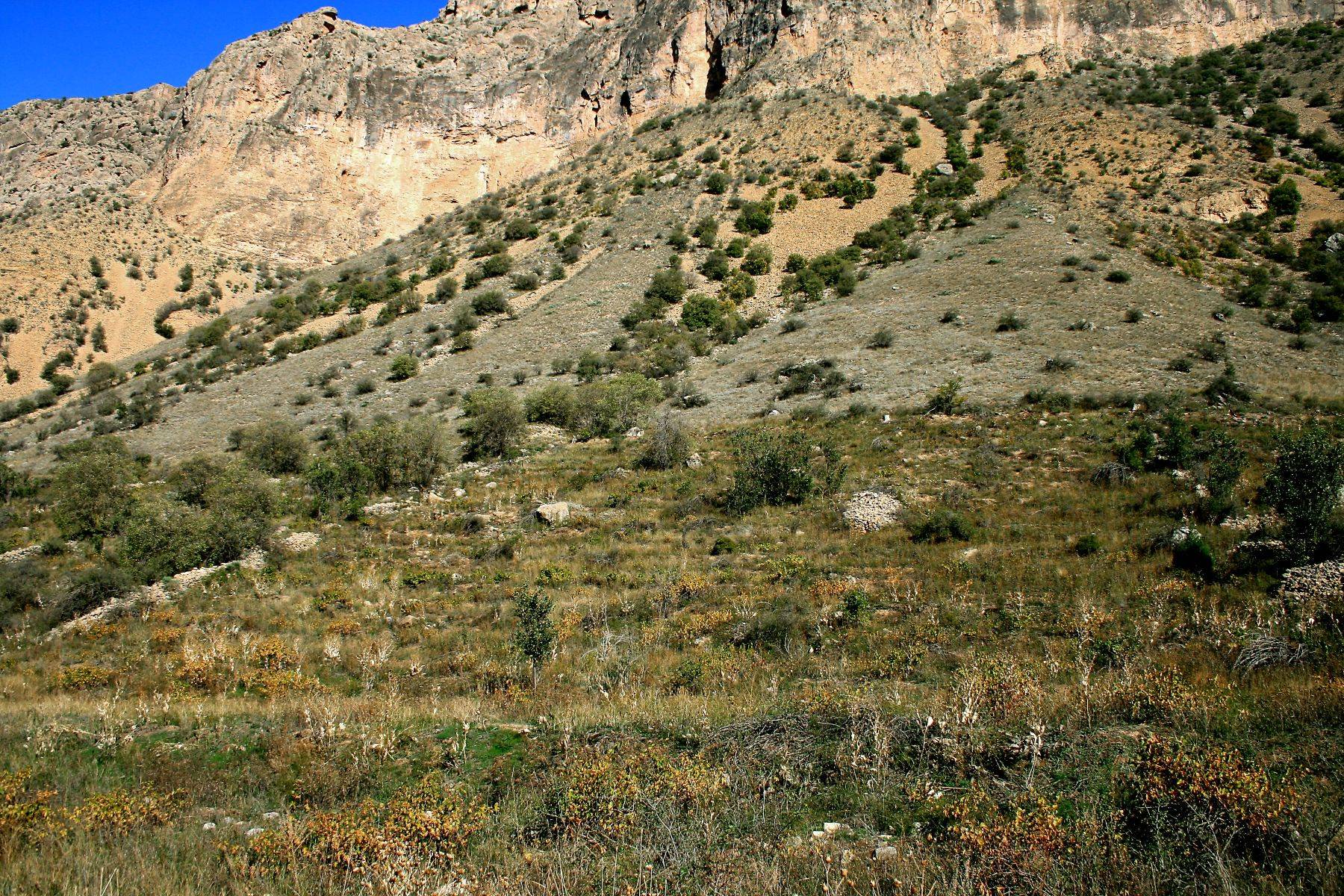
The landscape and climate of Vayots Dzor are very suitable for horticulture, and especially for viticulture. The basis of grape cultivation here was established in the beginning of the IV millennium BCE, which is confirmed by archaeobotanical finds from excavation of the Late Chalcolithic layers in Areni-1 cave, located near the confluence of the rivers Gnishik and Arpa. The existence of millennial traditions behind the now flourishing local viticulture is shown by the archaeological data presented: traces of vineyards are visible in close proximity to the Bronze and Iron Age, Hellenistic and Medieval fortresses and settlements. Irrigation systems, as well as tools and various implements with economic, ritual and other significance were discovered during the excavations. The old vineyards spread along both sides of the River Gnishik valley and their irrigation systems leave distinctive remains. There are references to these vineyards in historical sources and inscriptions. Thirteenth century historian Stepanos Orbelyan in his «History of Syunik», while talking about the construction of the Saint Stepanos church of the Noravank Monastery and listing the lands transferred to its ownership, refers to Gnishikadzor, using the name Tmadzor. In a 1261 inscription in the narthex of the same church, prince of princes Smbat Orbelyan records having given his vineyard in Ginishikadzor to the monastery (TRUSTING IN THE LORD, I – PRINCE OF PRINCES SMBAT, WITH GOOD WILL OF MY HEART GAVE TO HOLY NAKHAVKA MY OWN VILLAGE AZAT WITH ITS BOUNDARIES, MOUNTAINS AND FIELDS, AND MY VINEYARD OF GINISHIKADZOR…). The majority of donative inscriptions at Noravank refer to vineyards, which indicates the large number of such possessions owned by the monastery and the decisive role played by viticulture and winemaking in its economic activities. Noravank was a large scientific, educational and cultural center, where the creation of manuscripts and architecture and the art of composing khachkars flourished, precisely because of its economic success. A noteworthy inscription on a khachkar, which was discovered in the medieval village near the remains of the Noravank Monastery, refers to planting a vineyard and the construction of a winepress. Both viticulture and winemaking in Armenian tradition were of great cultural significance, serving to unite and form the shared identity of the inhabitants of the Armenian highlands, who valued labor, fertility and feasting.
(18 Images)